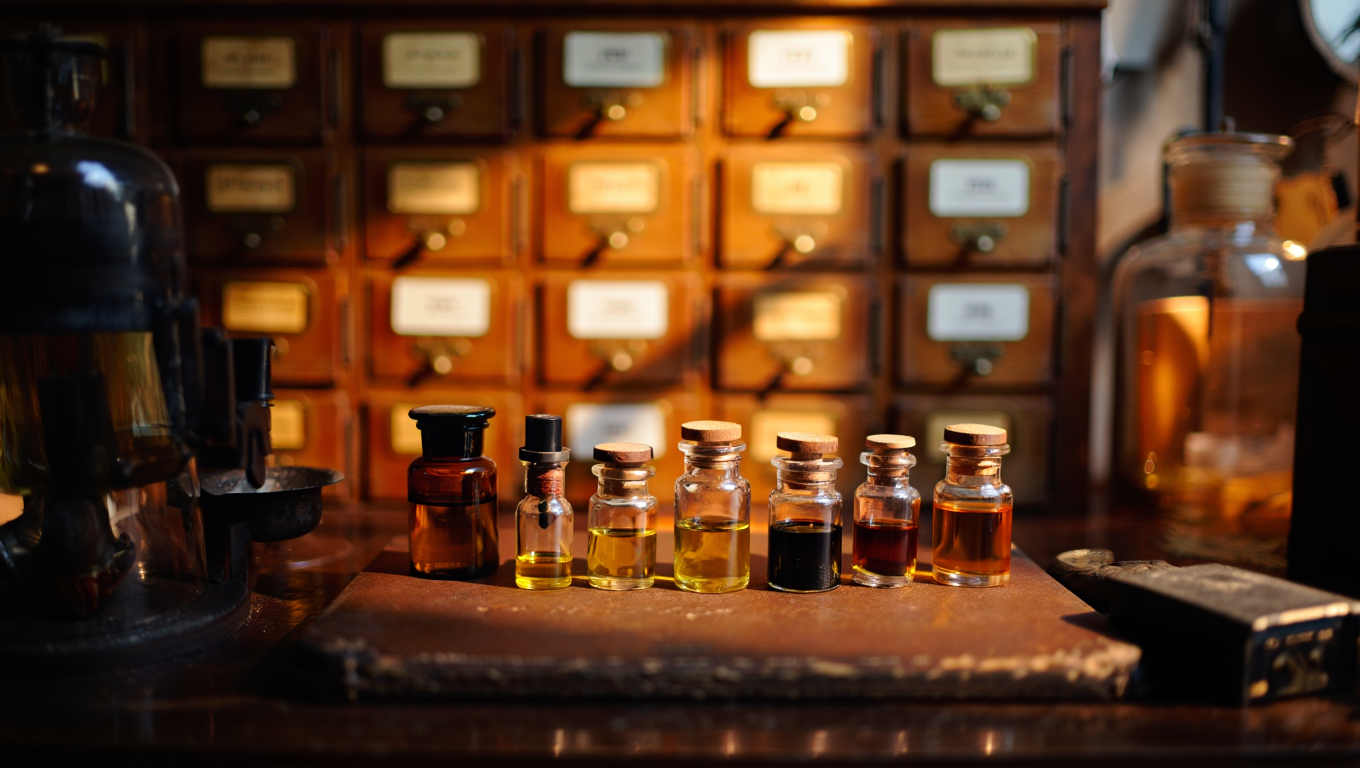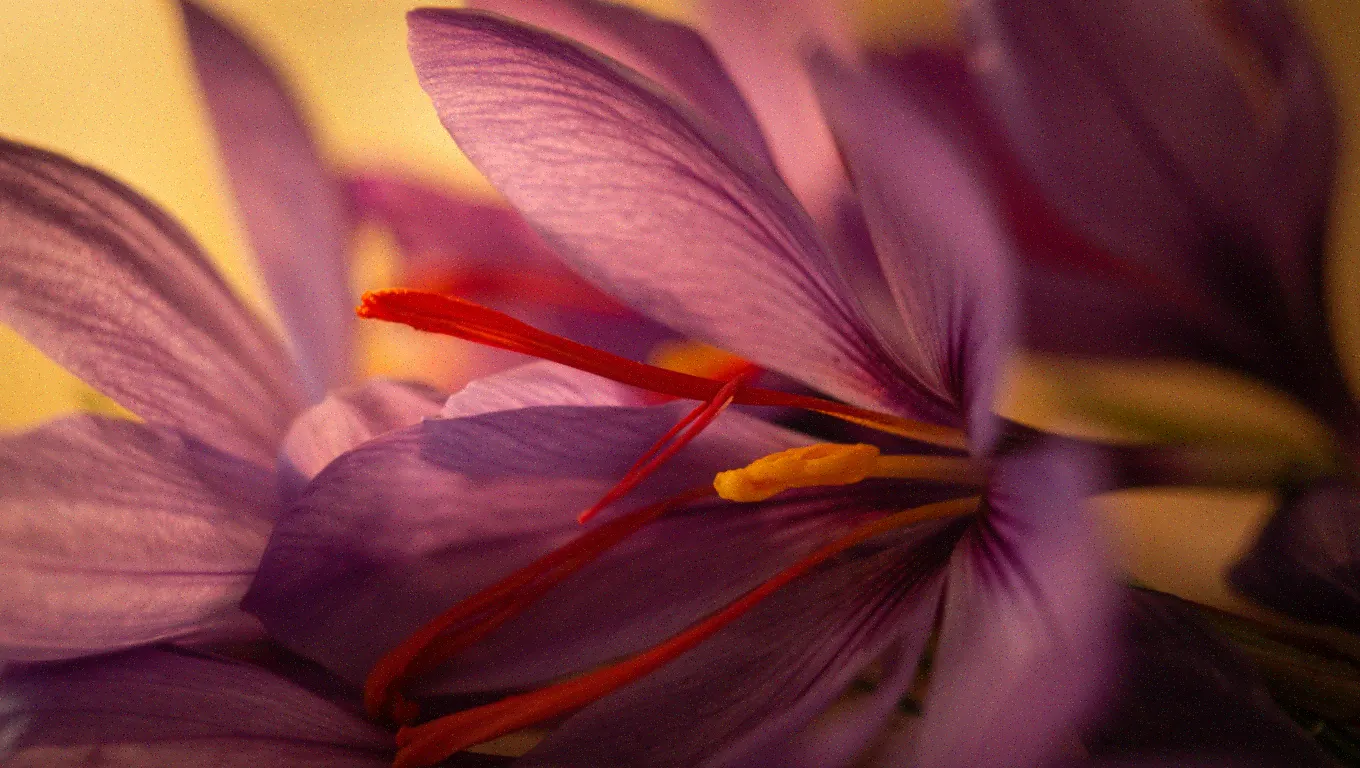
Saffron in Perfumery: Safranal, Leathery Warmth, and the Chemistry of Spice
A technical examination of saffron in perfumery: the carotenoid cascade that creates safranal, concentration-dependent behavior, IFRA compliance realities for natural and synthetic materials, and a complete 100-part saffron-leather showcase formula.
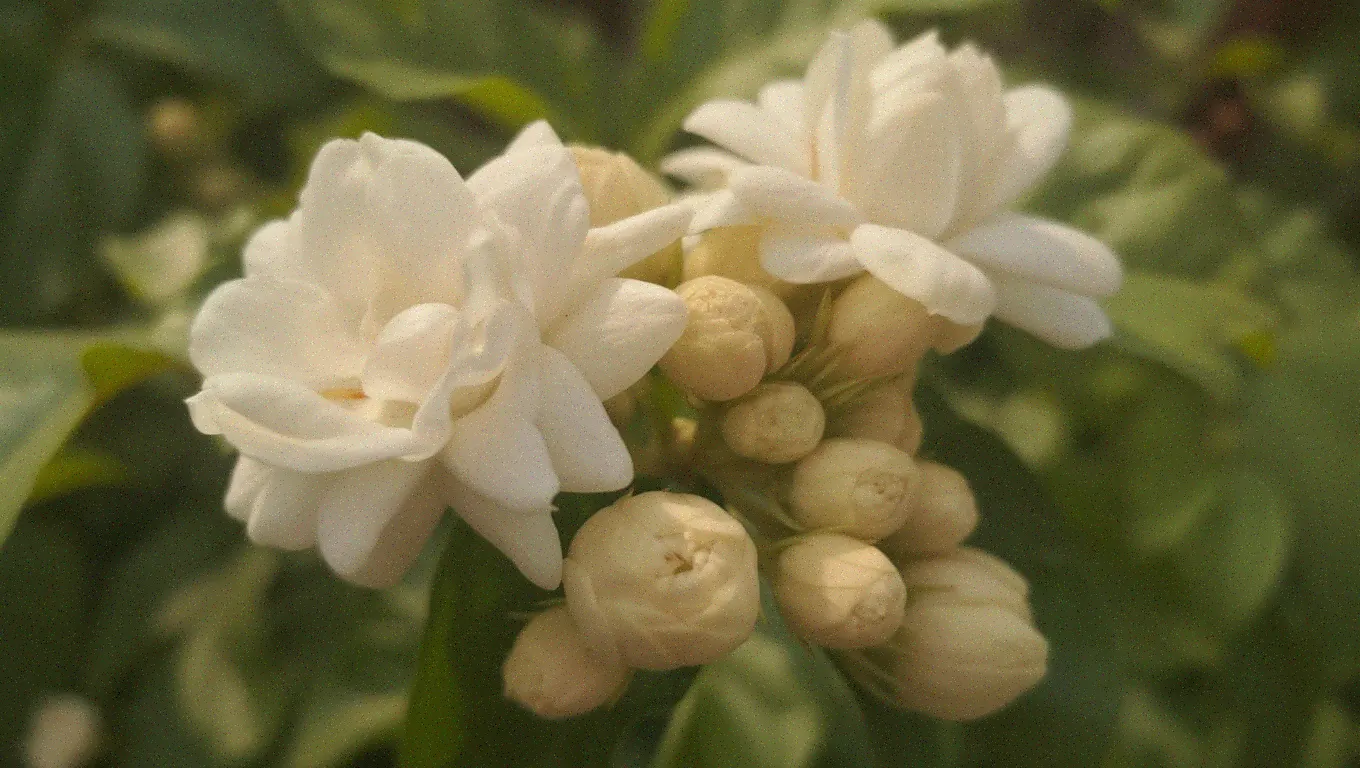
The Molecular Seduction of Jasmine: Chemistry, Indole, and the Art of White Floral Accords
Explore the chemistry and olfactory perception of jasmine's indole paradox. This technical analysis reveals how to create compelling synthetic jasmine accords using indole, Indolene, and complementary materials within IFRA regulations.

The Architecture of Modern Freshness: Contemporary Molecules in Cologne Base Construction
Modern cologne construction has evolved from citrus-herbal simplicity to molecular sophistication. Contemporary synthetics like Calone, Hedione, and Iso E Super create transparent, persistent freshness that traditional materials could never achieve—revolutionizing how we architect fresh fragrance.

The Modern Rose Accord: Molecular Architecture and Olfactive Artistry
Modern rose accord construction combines traditional alcohols (citronellol, geraniol, PEA) with powerful trace molecules like β-damascenone and rose oxide. This comprehensive analysis explores how contemporary perfumers layer damascones for fruity transparency, rose oxide for metallic sparkle, and galaxolide for skin-scent intimacy, creating rose interpretations impossible in pre-1960s perfumery.
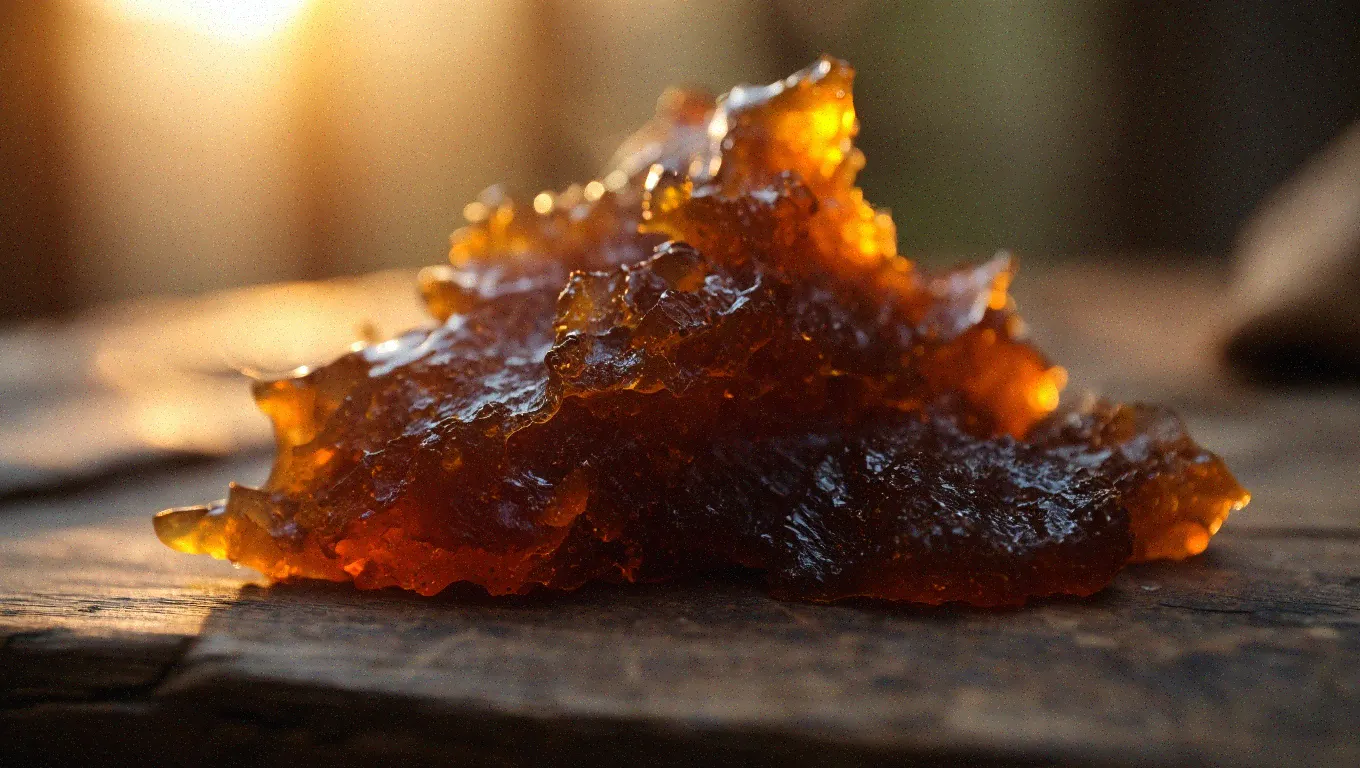
Labdanum’s Sweet Balsamic Molecules: Chemical Analysis and Synthetic Alternatives
Analysis of labdanum's chemical composition reveals that vanillin compounds, sclareol, and phenolics drive its sweet balsamic character. Three synthetic molecules—benzyl benzoate, Javanol, and ethyl vanillin with benzoin Siam—can enhance this sweetness while minimizing animalic notes.