Olfactive Authorship: The Craft of Narrative Perfumery
Authentic olfactive storytelling operates at the molecular level through overdose, amplification, and deliberate instability. This examination explores how perfumers like Serge Lutens, Imaginary Authors, and independent creators encode narrative into compositional structure rather than applying stories as marketing overlay.

Musk Xylol Replacers for Amber & Oriental Perfumery
Comprehensive analysis of modern musk xylol replacers for amber and oriental perfumery, evaluating musk ketone, Muscenone, Cosmone, and ambrettolide with specific replacement ratios, IFRA compliance data, and formulation recommendations for vintage composition reconstruction.
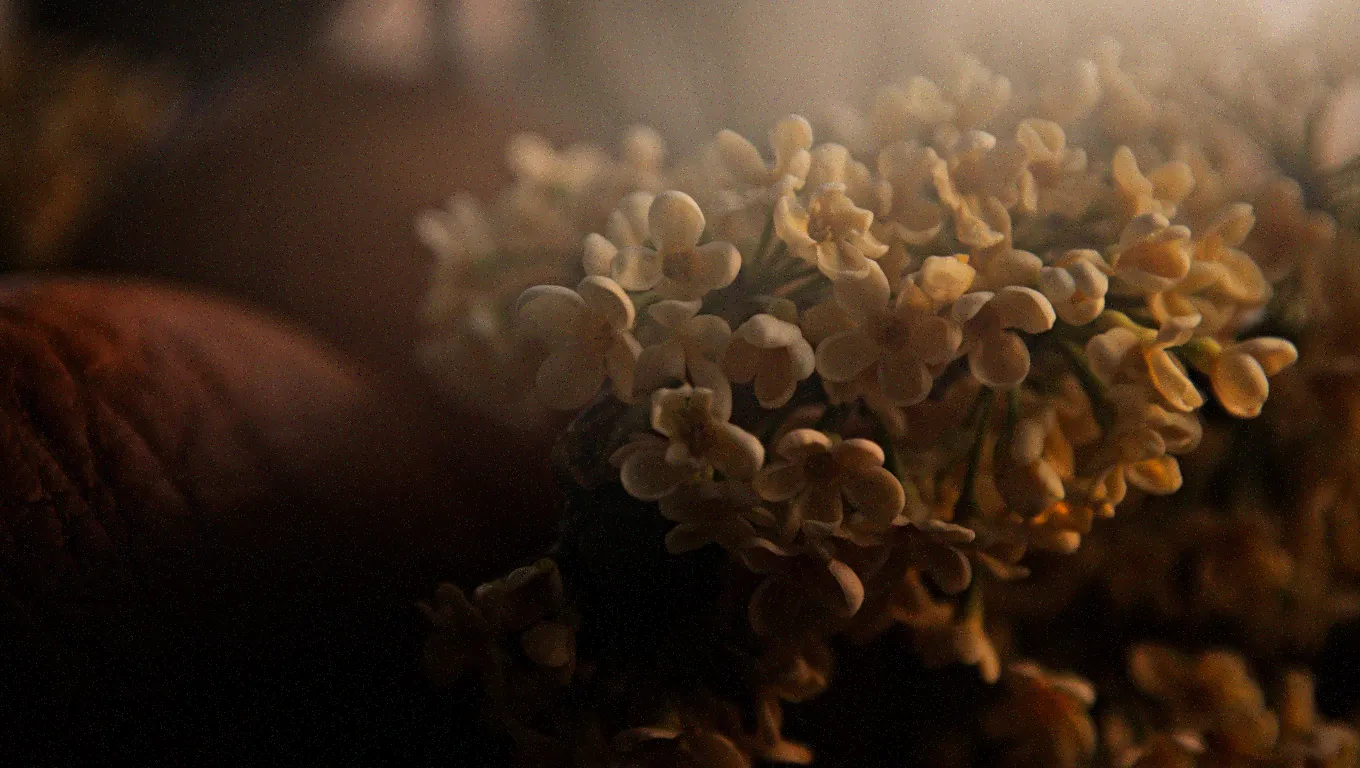
Fleur de Cuir: Orchestrating Apricot Silk and Cedarwood Shadows
At 5% concentration, Fleur de Cuir—a co-distilled osmanthus-cedarwood material from Payan Bertrand—excels in fruity oud compositions, delivering apricot liqueur brightness, suede-soft leather, and oud-like resonance. This research explores four compositional pathways and provides a complete formula showcasing the material as architectural centerpiece.
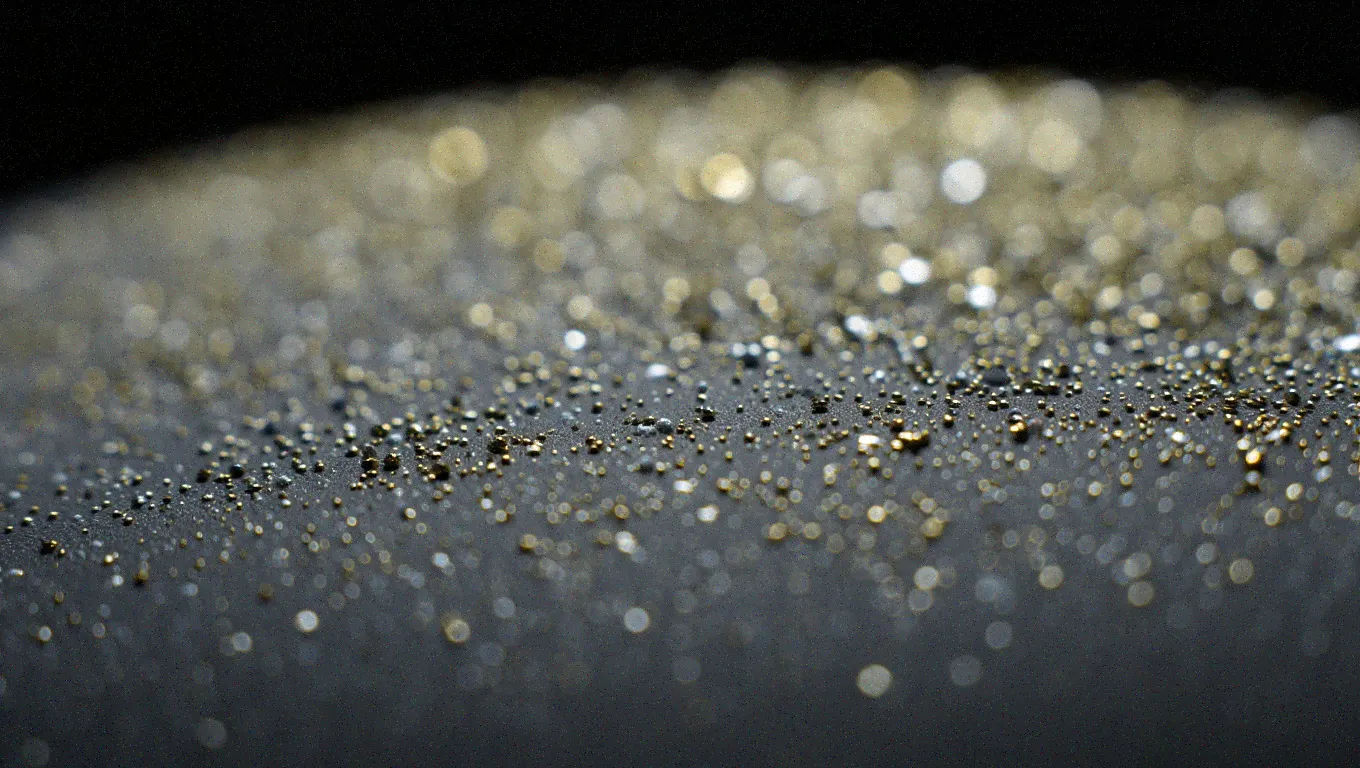
Metallic notes in perfumery: Chemistry, formulation, and the art of creating cold brilliance
Metallic notes represent perfumery's avant-garde frontier, from subtle green-metallic facets in geranium to provocative blood accords. This technical guide explores rose oxide isomers, aliphatic aldehydes, ozonic molecules, and nitriles—materials functioning at odor thresholds of 0.5 parts per billion that demand extreme dilution and formulation mastery to create transparent modern florals and futuristic compositions.
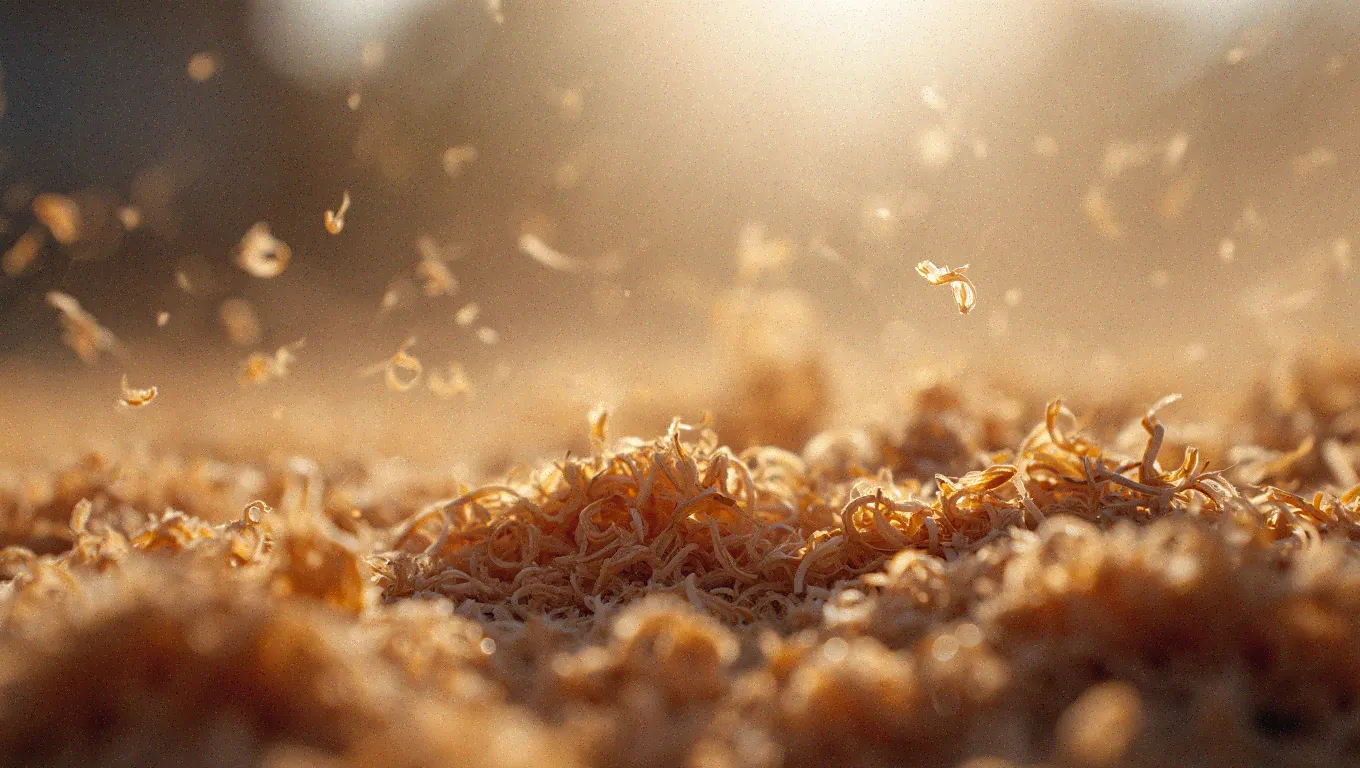
The Architecture of Dry Amber: Modern Molecules Reshaping Perfumery
A comprehensive analysis of seven modern dry amber molecules—Ambermax, Amber Xtreme, Karanal, Amberketal, Ysamber K, Okoumal, and Trisamber—exploring their olfactive profiles, technical specifications, formulation strategies, and regulatory considerations in contemporary perfumery.

Minimalist Perfumery: Molecular Transparency and the Art of Reduction
Minimalist perfumery achieves presence through radical reduction, utilizing 5-30 ingredients centered on transparent molecules like Iso E Super, Ambroxan, and Hedione at unprecedented concentrations (20-75%). This technical guide explores the chemistry, formulation strategies, and IFRA compliance considerations for creating minimalist fragrances that prioritize linearity, sheerness, and skin-chemistry interaction.
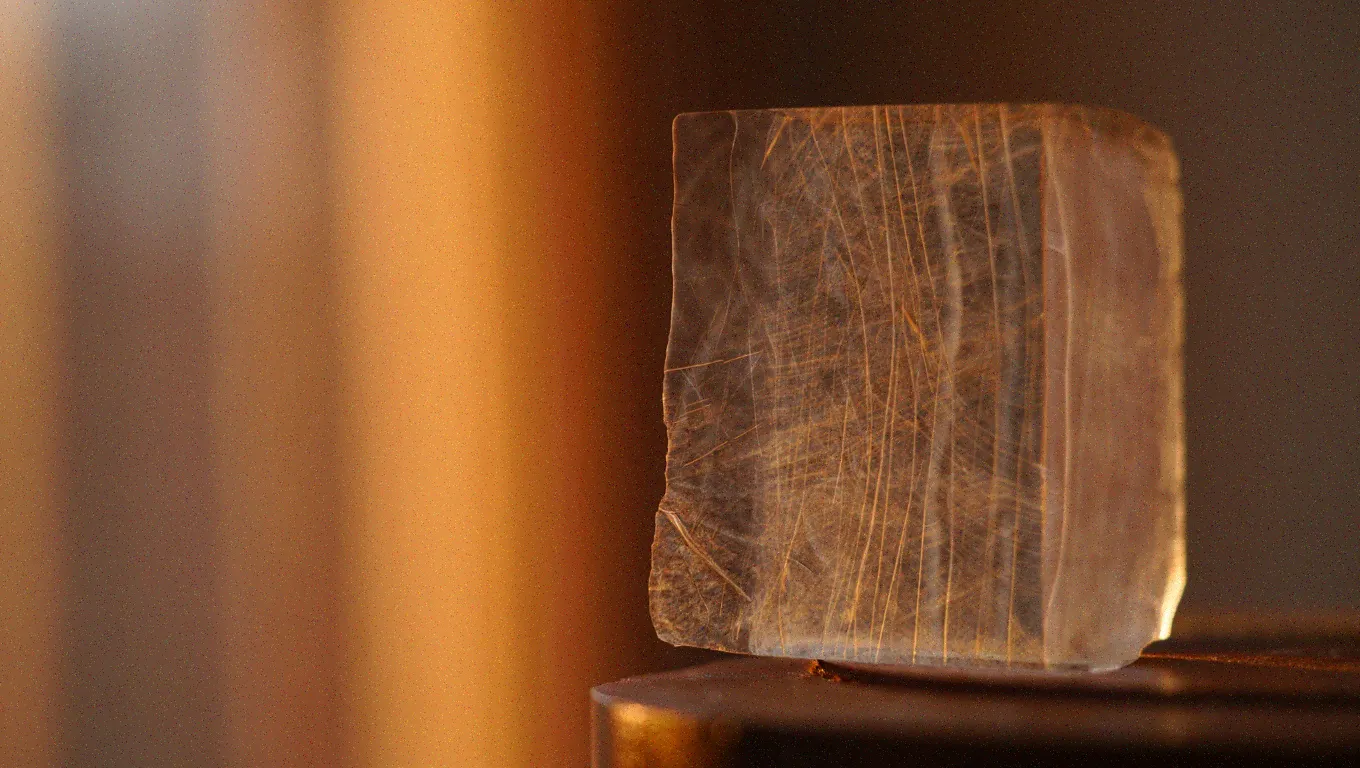
The Invisible Elegance: Transparent Woody Bases in Modern Perfumery
Transparent woody bases—Iso E Super, Ambroxan, Cedramber, and their molecular cousins—have revolutionized modern perfumery by creating presence without weight. This comprehensive guide explores their chemistry, olfactive properties, formulation strategies, and cultural impact on contemporary fragrance.

Reconstructing Iris: The Art and Science of Orris Alternatives
Natural orris butter commands $40,000-70,000/kg and requires six years to produce. Modern synthetic bases—Givaudan's Orris Givco, Firmenich's Iralia, and IFF's Irival Oliffac—offer remarkably complete reconstructions through captive molecules, methyl ionone refinement, and aldehydic chemistry. Specialty molecules like Orivone, Boisiris, and Isoraldeine capture dimensions standard ionones cannot, enabling multifaceted orris reconstruction at accessible price points.
Modern Fresh Sandalwood Formulations for Contemporary Perfumery
Comprehensive analysis of modern sandalwood molecules for fresh-creamy accords. Includes technical profiles, IFRA compliance data, and optimized formulation combining Javanol, Bacdanol, Hindinol, Firsantol, and Sandela for white floral compositions.

The Architecture of Modern Freshness: Contemporary Molecules in Cologne Base Construction
Modern cologne construction has evolved from citrus-herbal simplicity to molecular sophistication. Contemporary synthetics like Calone, Hedione, and Iso E Super create transparent, persistent freshness that traditional materials could never achieve—revolutionizing how we architect fresh fragrance.