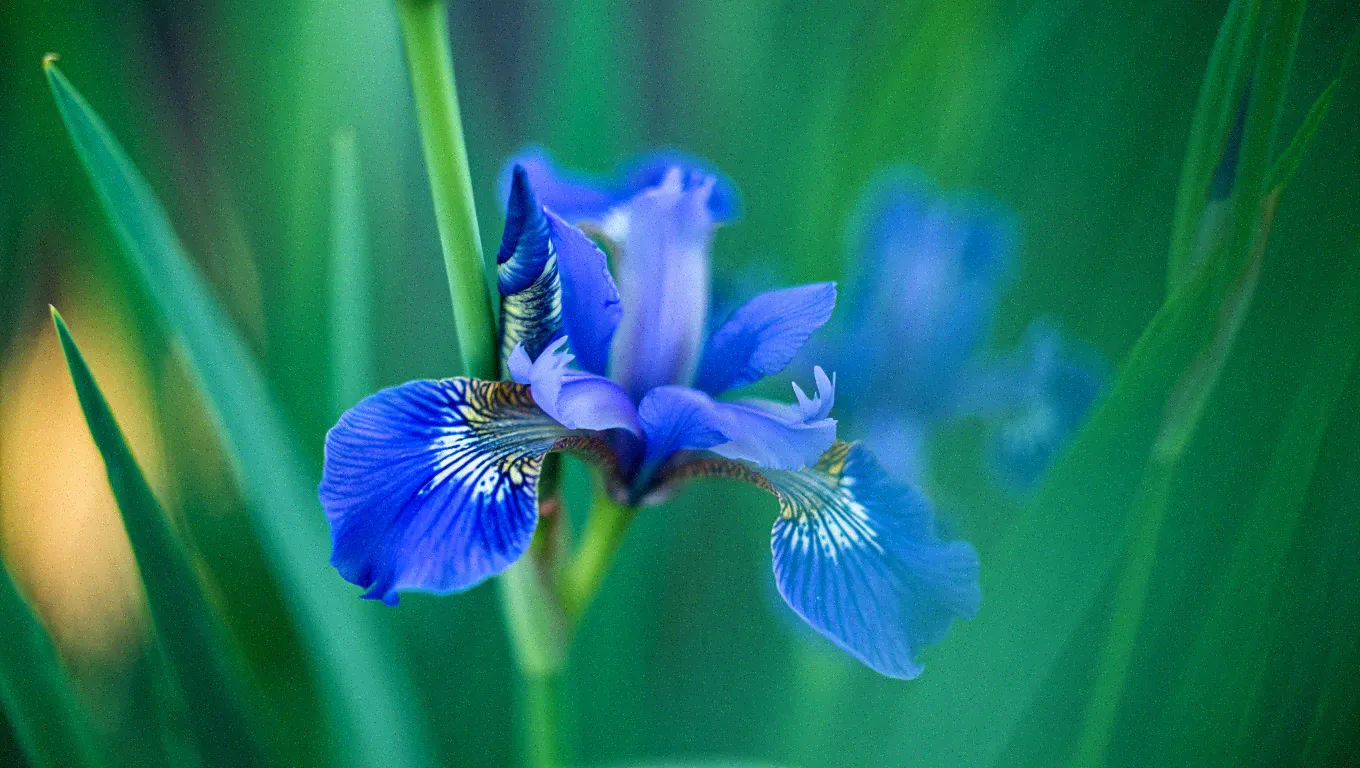
Modernizing Vintage Iris Formulations: Technical Guide
Technical guide for updating 1991-era iris formulations with modern ingredient substitutions. Covers alpha-campholenate replacement with isobornyl acetate, trans-2-nonenal versus violet leaf absolute comparison, and methyl ionone gamma specifications for contemporary transparency.

Modern Leather Accord Formulation Guide
Professional guide to creating modern leather accords using seven key synthetic materials that surpass traditional tar oil formulations in safety and performance. Includes technical profiles, dosage guidelines, IFRA compliance requirements, and formulation strategies for contemporary leather perfumery.

White Ambergris Chemistry Reveals Sophisticated Reconstitution Pathways
White ambergris chemistry centers on ambrein photooxidative degradation to ambroxide compounds. Modern reconstitution uses Ambroxan, Cetalox, and Ambrinol—all IFRA unrestricted. Proper dilution enables gentle sensual notes characteristic of naturally aged material.

Calypsone and Modern Marine Molecules in Perfumery
Calypsone remains a Givaudan-exclusive molecule with linear watermelon-marine character, while cascalone offers the most accessible alternative despite fundamental differences. This guide provides practical substitution strategies across fragrance categories, concentration guidelines, and comprehensive analysis of the modern marine molecule landscape spanning 15+ distinct materials.
IFRA Restrictions for Magnolia Leaf Essential Oil
Magnolia leaf essential oil has no direct IFRA restrictions but faces constituent-based limitations. Methyleugenol content (0.1-2.3%) creates practical usage constraints of 0.2-0.4% in formulations. Comprehensive guide to regulatory framework, safety assessment status, and compliance requirements.
Fragrance Component Usage Patterns for Magnolia-Herbal Accord
Strategic analysis of six fragrance components for magnolia-herbal accord enhancement. Phenyl Ethyl Alcohol dominates at 12-18%, Helional and Undecavertol provide green-floral character. Combined usage 41.5-56.5% optimizes body, sweetness, and longevity while preserving magnolia integrity.

Cistus absolute: The amber fixative in woody and leather perfumery
Cistus absolute delivers amber-balsamic character at 0.1-1% in fragrances, providing exceptional fixation and warmth. In woody accords use 5-15%, in leather formulations 10-25% for texture and animalic depth. Essential synergies with sandalwood, cedarwood, patchouli, birch tar, and quinolines.

IFRA Restrictions for Cade Oil: Definitive Usage Guidelines
IFRA Standard 119 establishes specification-based restrictions for cade oil, prohibiting crude pyrolysis-derived oil while allowing rectified cade oil at 0.5% maximum in fine fragrances. Industry consensus focuses on PAH compliance rather than concentration limits.

Citronellol Usage Patterns in Professional Perfumery
Industry analysis validates 5% citronellol usage for magnolia-herbal accords, providing optimal fresh floral character without heavy waxy notes. Professional formulation data shows citronellol ranging from 0.8% in fresh florals to 35% in rose reconstructions.

Technical Guide to Tobacco Accords in Perfumery
Comprehensive technical guide covering tobacco accord construction from natural absolutes to synthetic aromachemicals. Includes complete formulation examples, dilution ratios, layering methodology, and IFRA compliance guidelines for creating both traditional and modern floral-powdery tobacco profiles.