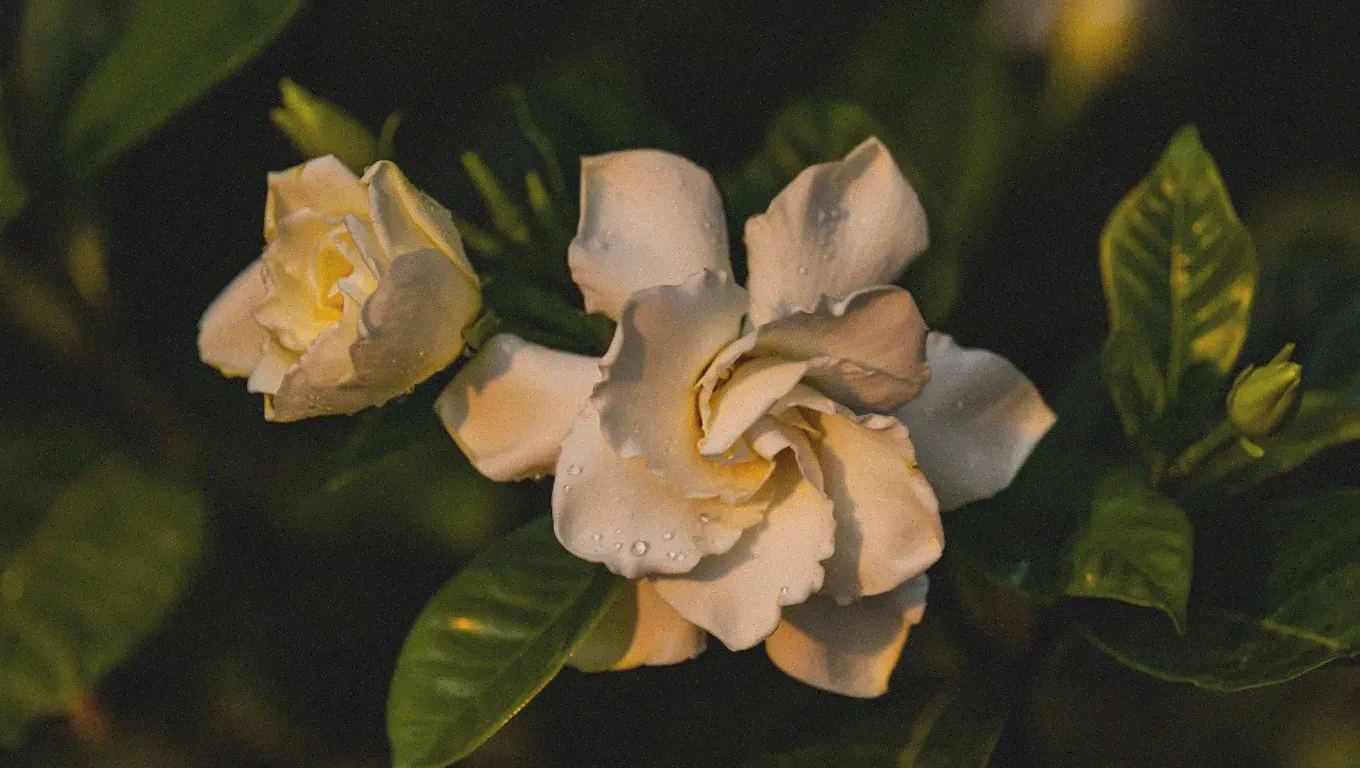
Gardenia absolute: capturing the ephemeral white queen
Natural gardenia absolute's scarcity ($20,000/kg at 0.02% yield) has driven sophisticated reconstruction techniques. This technical guide explores gardenia's molecular character across white floral comparisons, essential materials (styrallyl acetate, lactones, tiglates), and a complete professional formulation balancing idealization against naturalistic fungal-earthy undertones.
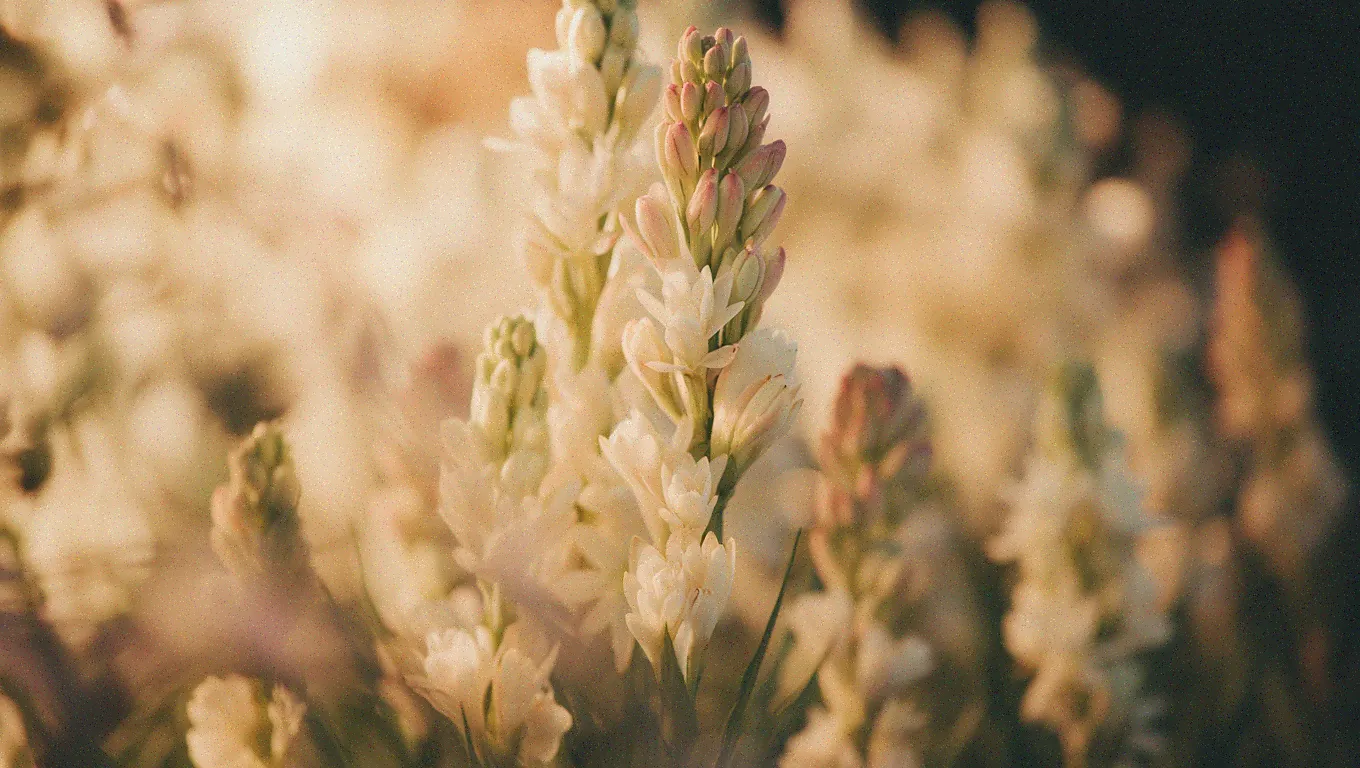
The Art of Narcotic Florals: Tuberose Absolute, Modern Synthetics, and Accord Construction
Tuberose reconstruction demands understanding of natural chemistry and modern synthetics. This comprehensive guide covers essential molecules like methyl tuberate and jasmolactone, professional formulation strategies from Jean Carles, IFRA compliance, and the lactonic-indolic balance that defines tuberose's narcotic character.
Paradisone: Firmenich’s captive jasmine molecule that transforms fragrance diffusion
Paradisone is Firmenich's captive jasmine molecule containing ~94% cis-isomer of methyl dihydrojasmonate, delivering 1000x the diffusion of standard Hedione. This technical profile covers its chemistry, olfactive character, regulatory status, and formulation applications in major commercial fragrances.
Modern Fresh Sandalwood Formulations for Contemporary Perfumery
Comprehensive analysis of modern sandalwood molecules for fresh-creamy accords. Includes technical profiles, IFRA compliance data, and optimized formulation combining Javanol, Bacdanol, Hindinol, Firsantol, and Sandela for white floral compositions.
Citronellol Usage Patterns in Professional Perfumery
Industry analysis validates 5% citronellol usage for magnolia-herbal accords, providing optimal fresh floral character without heavy waxy notes. Professional formulation data shows citronellol ranging from 0.8% in fresh florals to 35% in rose reconstructions.