

Heavy fragrance and rough character: why we find them pleasant
Heavy fragrances command attention through measurable physicochemical properties and deliberate compositional strategies. Understanding why we find rough, challenging materials pleasant requires exploring molecular behavior, sensory processing, and aesthetic philosophy.

The Art of Narcotic Florals: Tuberose Absolute, Modern Synthetics, and Accord Construction
Tuberose reconstruction demands understanding of natural chemistry and modern synthetics. This comprehensive guide covers essential molecules like methyl tuberate and jasmolactone, professional formulation strategies from Jean Carles, IFRA compliance, and the lactonic-indolic balance that defines tuberose's narcotic character.
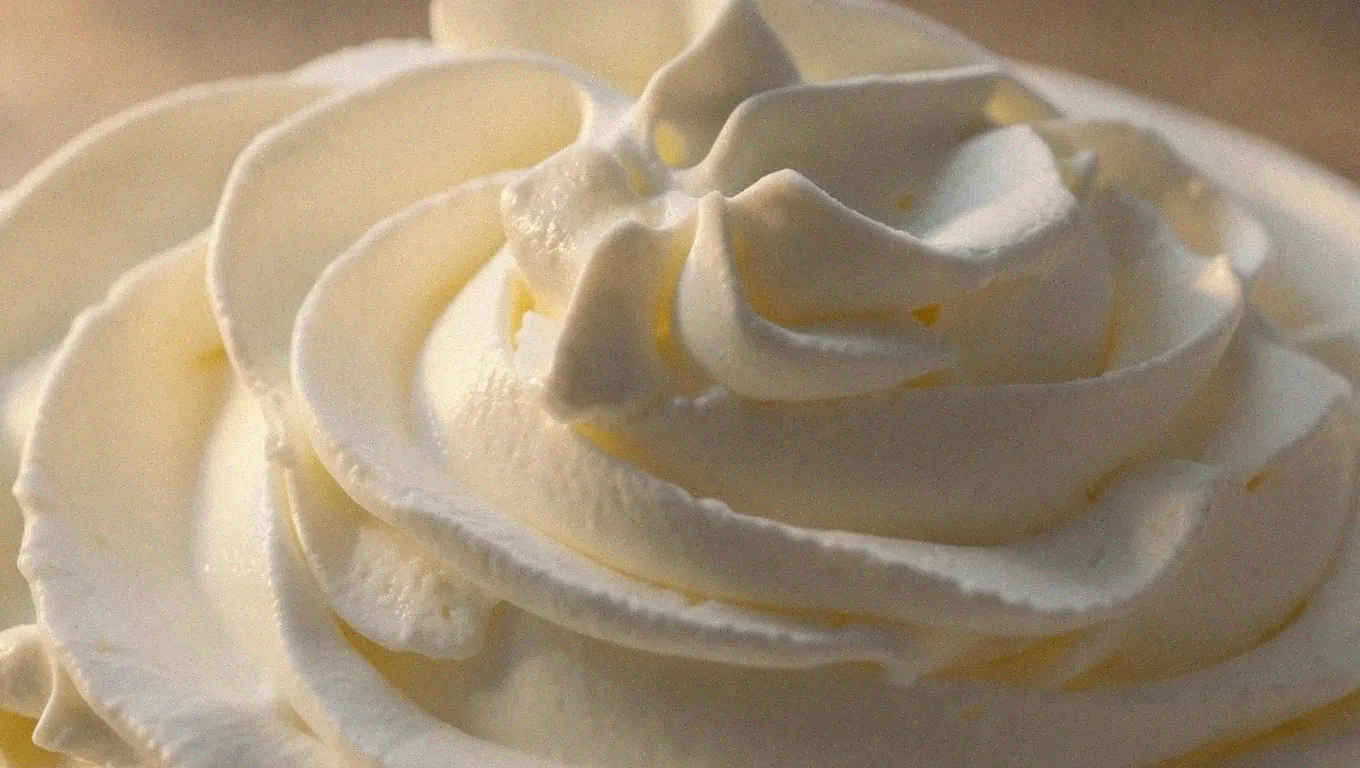
Cream Notes in Perfumery: Crafting Lactonic Dreams in Modern Creamy Accord
Cream notes in perfumery speak two languages—gourmand sweetness through coumarin and vanilla, and true dairy richness via lactones and butter CO2. This guide explores both dialects, covering essential molecules from delta-decalactone to ethyl maltol, with a complete creamy fragrance formula.

Ambrettolide: The macrocyclic musk that revolutionized modern perfumery
Ambrettolide represents the macrocyclic musk industry's most successful translation of a precious natural (ambrette seed absolute) into a sustainable, IFRA-compliant synthetic. At typical usage levels of 0.5-2%, it provides the characteristic ambrette exalting effect—lifting compositions while anchoring them with tenacious warmth—at approximately one-tenth the cost of natural absolute.

Liatrix absolute: the forgotten fixative behind tobacco’s golden age
Liatrix absolute delivers authentic tobacco character with 50-75% natural coumarin content, exceptional fixative properties, and multi-dimensional scent bridging gourmand sweetness and masculine hay-leather sophistication for fougères, tobacco orientals, and leather accords.
Olfactory Restoration: Replacing the Green Acid Component in the Classic Leather Chypre
Reconstructing the unavailable (Z)-iso geranic acid in leather chypre formulations through strategic molecular substitution. A technical exploration of Styrallyl Acetate, Citrylal, and supporting green acids to restore the essential acidic-metallic tension against oakmoss and quinoline leather bases.
Dark Perfumes and Shadowy Notes: Where the Darkness Comes From
Darkness in perfumery emerges from molecular physics, cross-modal perception, and primordial association. This comprehensive guide explores how intensity, molecular weight, and specific chemical families create olfactory shadow—from indoles and phenolics to resinous bases and animalic musks.
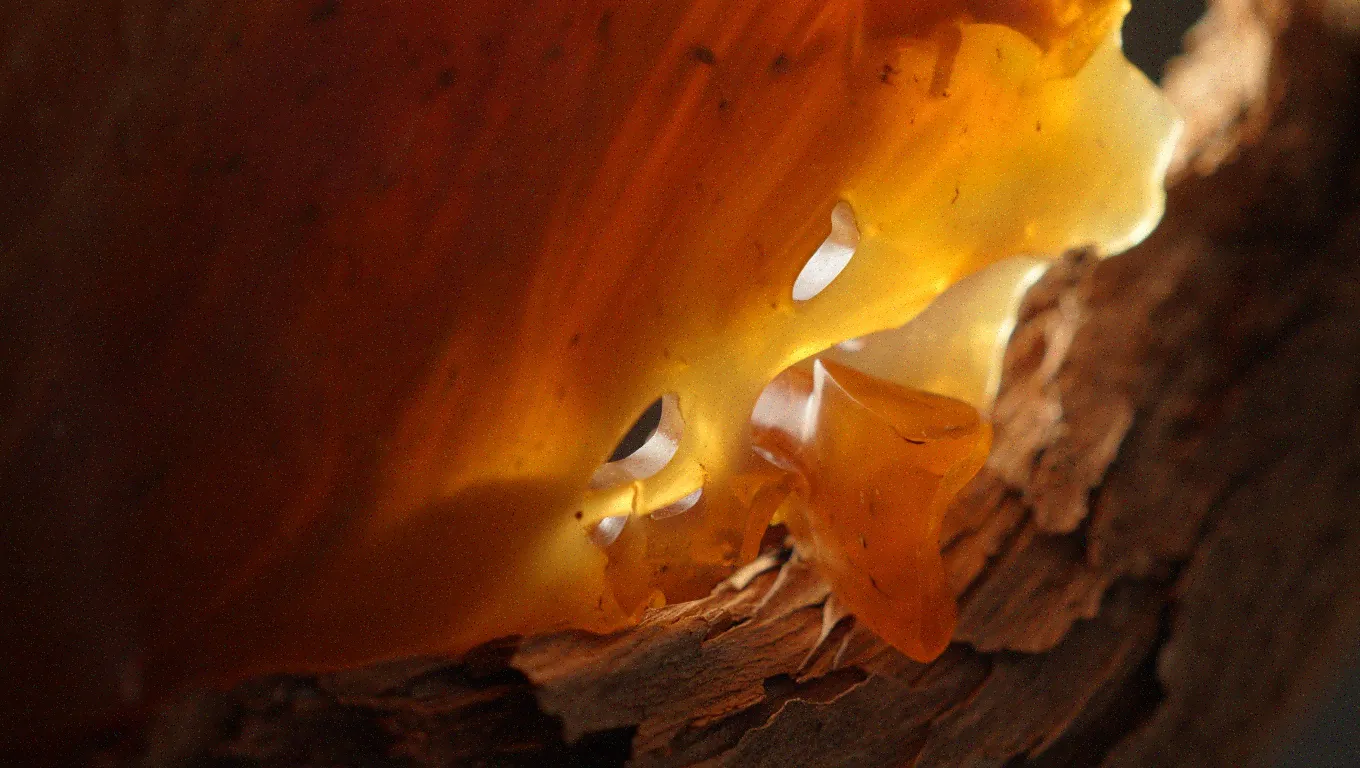
Benzoin Reconstruction: From Styrax Chemistry to Modern Formulation
A comprehensive guide to reconstructing benzoin absolute using aromachemicals. Detailed formulations, IFRA compliance data, and professional usage patterns for creating authentic sweet-balsamic benzoin effects in modern perfumery.

Musk Xylol Replacers for Amber & Oriental Perfumery
Comprehensive analysis of modern musk xylol replacers for amber and oriental perfumery, evaluating musk ketone, Muscenone, Cosmone, and ambrettolide with specific replacement ratios, IFRA compliance data, and formulation recommendations for vintage composition reconstruction.