
Heavy fragrance and rough character: why we find them pleasant
Heavy fragrances command attention through measurable physicochemical properties and deliberate compositional strategies. Understanding why we find rough, challenging materials pleasant requires exploring molecular behavior, sensory processing, and aesthetic philosophy.

The Art of Narcotic Florals: Tuberose Absolute, Modern Synthetics, and Accord Construction
Tuberose reconstruction demands understanding of natural chemistry and modern synthetics. This comprehensive guide covers essential molecules like methyl tuberate and jasmolactone, professional formulation strategies from Jean Carles, IFRA compliance, and the lactonic-indolic balance that defines tuberose's narcotic character.
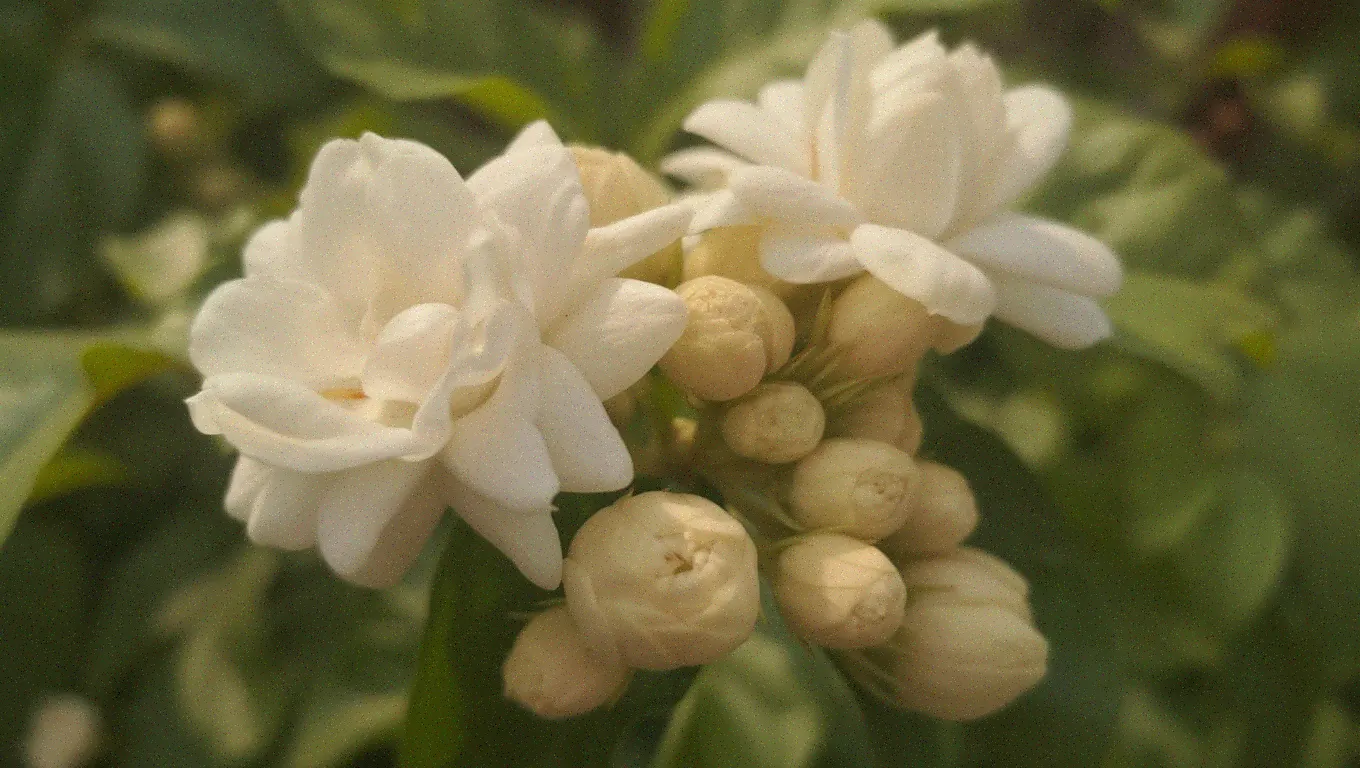
The Molecular Seduction of Jasmine: Chemistry, Indole, and the Art of White Floral Accords
Explore the chemistry and olfactory perception of jasmine's indole paradox. This technical analysis reveals how to create compelling synthetic jasmine accords using indole, Indolene, and complementary materials within IFRA regulations.
Dark Perfumes and Shadowy Notes: Where the Darkness Comes From
Darkness in perfumery emerges from molecular physics, cross-modal perception, and primordial association. This comprehensive guide explores how intensity, molecular weight, and specific chemical families create olfactory shadow—from indoles and phenolics to resinous bases and animalic musks.