Heavy fragrance and rough character: why we find them pleasant
Heavy fragrances command attention through measurable physicochemical properties and deliberate compositional strategies. Understanding why we find rough, challenging materials pleasant requires exploring molecular behavior, sensory processing, and aesthetic philosophy.
Paradis Noir: Decoding Desire Through Fragrance Deconstruction
A technical deconstruction of Paradis Noir molecular architecture: how aged Mysore sandalwood, Turkish rose absolute, oriental amber, wild frankincense, and Meghalayan oud combine to create desire-awakening perfumery through neurological activation and physiological response.
Dark Perfumes and Shadowy Notes: Where the Darkness Comes From
Darkness in perfumery emerges from molecular physics, cross-modal perception, and primordial association. This comprehensive guide explores how intensity, molecular weight, and specific chemical families create olfactory shadow—from indoles and phenolics to resinous bases and animalic musks.
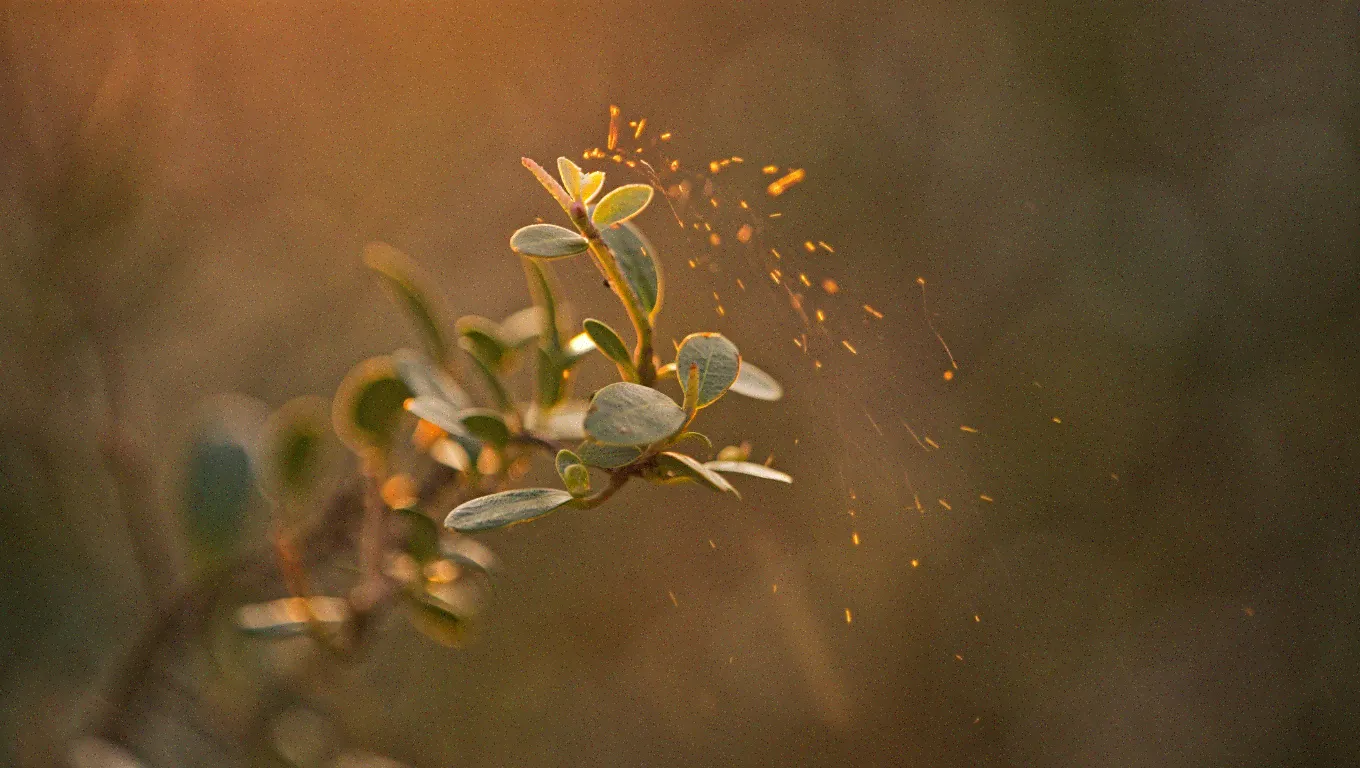
Cistus absolute: The amber fixative in woody and leather perfumery
Cistus absolute delivers amber-balsamic character at 0.1-1% in fragrances, providing exceptional fixation and warmth. In woody accords use 5-15%, in leather formulations 10-25% for texture and animalic depth. Essential synergies with sandalwood, cedarwood, patchouli, birch tar, and quinolines.
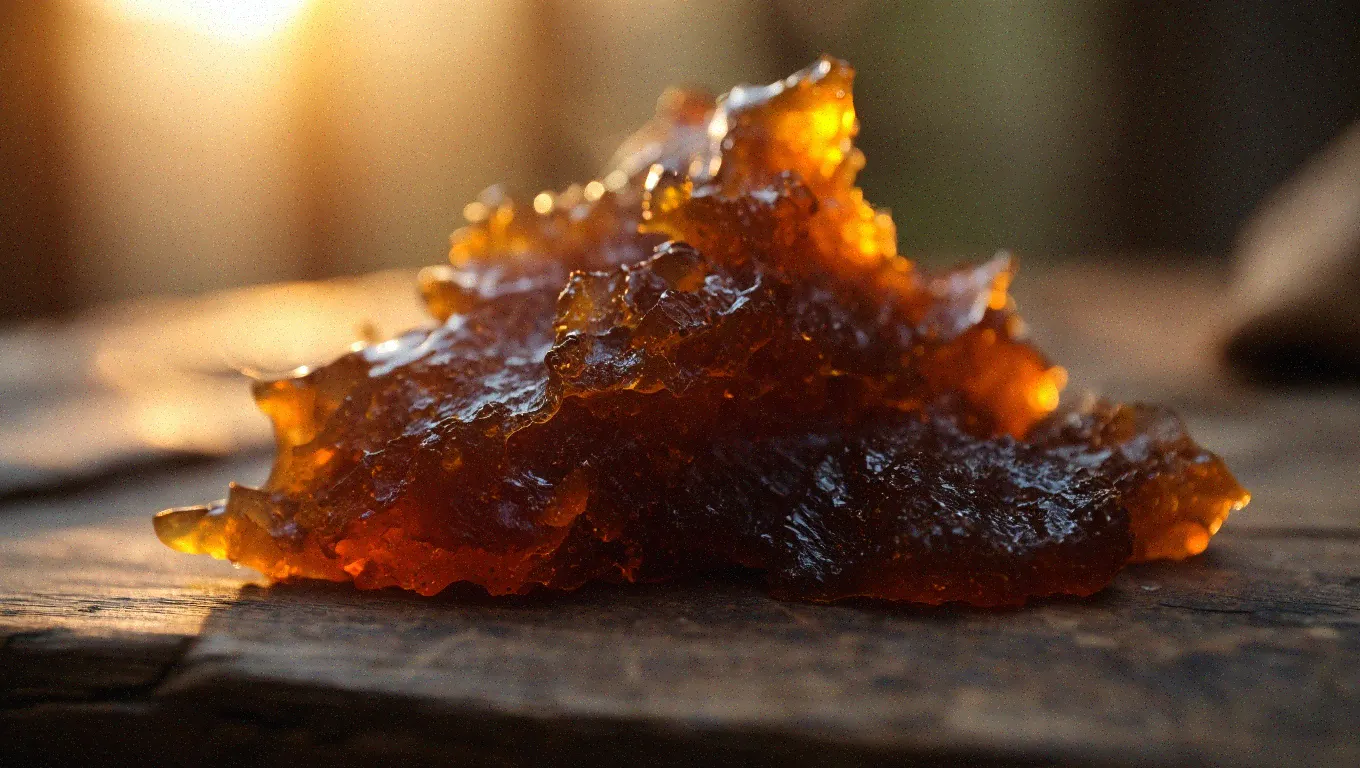
Labdanum’s Sweet Balsamic Molecules: Chemical Analysis and Synthetic Alternatives
Analysis of labdanum's chemical composition reveals that vanillin compounds, sclareol, and phenolics drive its sweet balsamic character. Three synthetic molecules—benzyl benzoate, Javanol, and ethyl vanillin with benzoin Siam—can enhance this sweetness while minimizing animalic notes.