
Ozonic Accord Construction: Aldehydes, Marine Synthetics, and Atmospheric Freshness Chemistry
A technical guide to ozonic accord construction covering the marine olfactophore, Calone and Helional chemistry, nine aldehyde-based materials, non-aldehyde ozonic synthetics (nitriles, ethers, formates), and a complete 18-component professional formula with IFRA compliance notes at 20% EdP.

Night Veil Structure Analysis: How Darkness Enters the Florals
Night Veil demonstrates how darkness in a floral composition is an emergent architectural property, not a matter of ingredients alone. This analysis traces the four-stage descent from ylang-lavender brightness through jasmine-magnolia twilight to the rose-lotus heart and ginger-oud dusk, with particular focus on blue lotus absolute as compositional pivot and Meghalayan oud as tonal anchor.
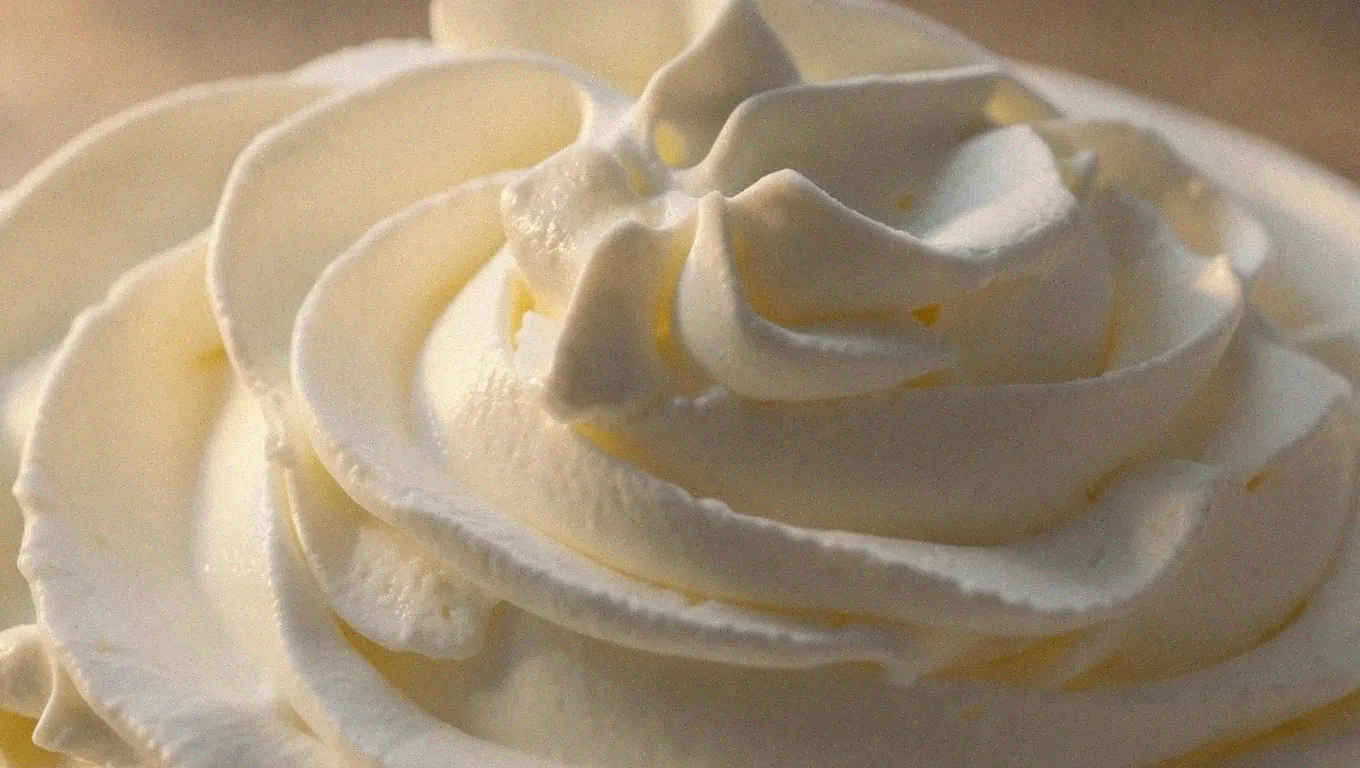
Cream Notes in Perfumery: Crafting Lactonic Dreams in Modern Creamy Accord
Cream notes in perfumery speak two languages—gourmand sweetness through coumarin and vanilla, and true dairy richness via lactones and butter CO2. This guide explores both dialects, covering essential molecules from delta-decalactone to ethyl maltol, with a complete creamy fragrance formula.

Paradis Noir: Decoding Desire Through Fragrance Deconstruction
A technical deconstruction of Paradis Noir molecular architecture: how aged Mysore sandalwood, Turkish rose absolute, oriental amber, wild frankincense, and Meghalayan oud combine to create desire-awakening perfumery through neurological activation and physiological response.
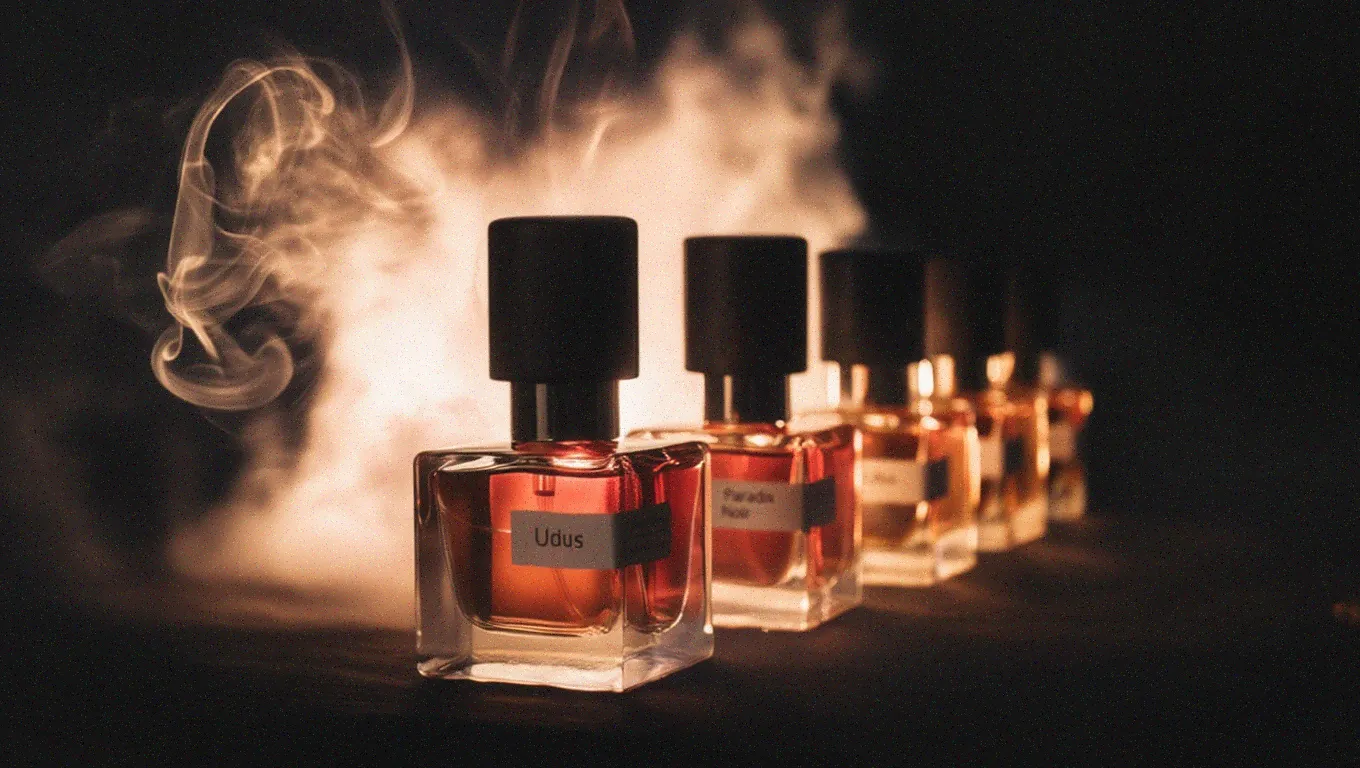
The Olfactive Signature: Crafting an Invisible Thread Through a Perfumer’s Body of Work
Authentic olfactive signature emerges from a perfumer's accumulated creative decisions—material choices, structural preferences, and aesthetic convictions—rather than commercial formulas. Drawing on interviews with industry masters like Jean-Claude Ellena, Geza Schoen, and Naomi Goodsir, this exploration reveals how genuine fragrance voice develops through patient material study, willingness to discard, and honest engagement with personal sensory responses.

The Olfactive Aura: Engineering Spatial Presence in Fragrance Composition
Explore how professional perfumers engineer olfactive aura—the luminous presence surrounding a wearer—through sophisticated understanding of molecular diffusion, vapor pressure dynamics, and strategic material selection. Discover the chemistry behind iconic aura molecules like Hedione, Iso E Super, and Ambroxan.