
The Verdant Suede Accord: Compositional Analysis and Formulation of a Powdery Green Fragrance
A comprehensive technical analysis of powdery green fragrance formulation, detailing the structural balance between sharp vegetal notes and soft powder compounds. The Verdant Suede Accord demonstrates precise micro-dosing of high-impact green materials while leveraging 65% sheer foundation components for modern diffusion and elegance.

Molecular Mechanisms of Perfume Fixatives: A Physical Chemistry Perspective
Crystalline and macrocyclic musk fixatives function through overlapping physical and thermodynamic mechanisms including hydrogen bonding, vapor pressure depression, and host-guest chemistry. Vapor pressures range from 0.00025 to 0.066 Pa—orders of magnitude lower than typical fragrance volatiles.

Technical Report on Coniferous Material Substitution for Herbal Fragrance Stabilization
A technical analysis of substituting Siberian Fir Needle Oil with Black Hemlock Absolute 50% in Benzyl Benzoate for herbal fragrance formulations. Includes odor value calculations, performance comparisons, and optimal dosage recommendations at 3.0% to achieve olfactive parity while enhancing longevity and base note stability.
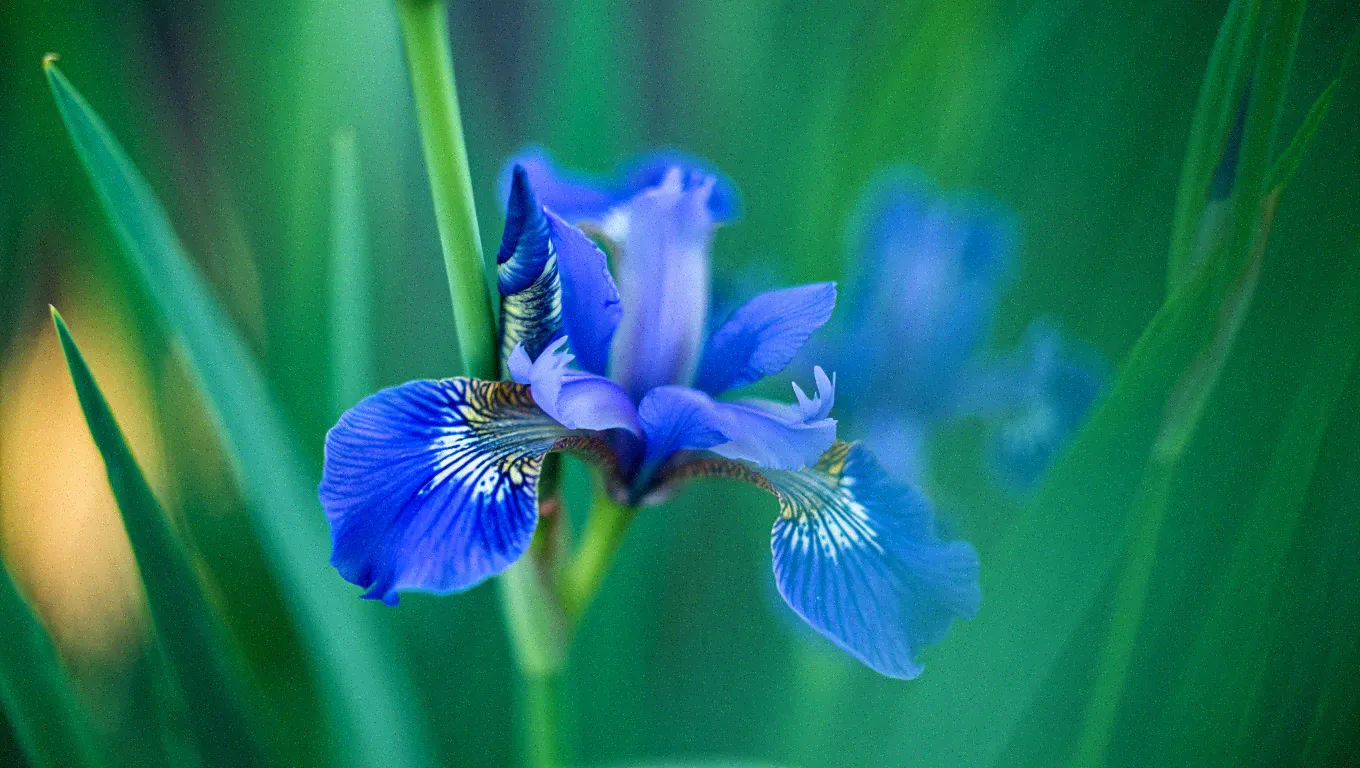
Modernizing Vintage Iris Formulations: Technical Guide
Technical guide for updating 1991-era iris formulations with modern ingredient substitutions. Covers alpha-campholenate replacement with isobornyl acetate, trans-2-nonenal versus violet leaf absolute comparison, and methyl ionone gamma specifications for contemporary transparency.
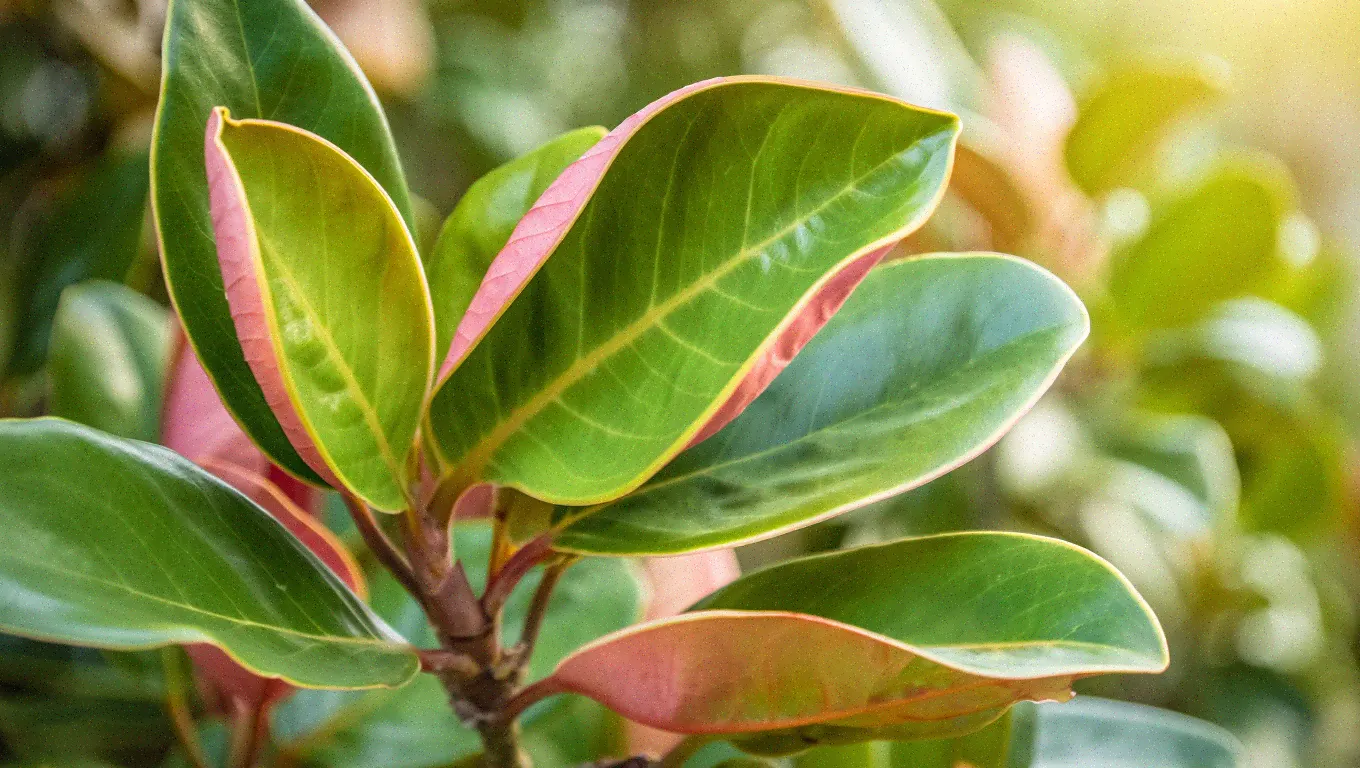
IFRA Restrictions for Magnolia Leaf Essential Oil
Magnolia leaf essential oil has no direct IFRA restrictions but faces constituent-based limitations. Methyleugenol content (0.1-2.3%) creates practical usage constraints of 0.2-0.4% in formulations. Comprehensive guide to regulatory framework, safety assessment status, and compliance requirements.
Fragrance Component Usage Patterns for Magnolia-Herbal Accord
Strategic analysis of six fragrance components for magnolia-herbal accord enhancement. Phenyl Ethyl Alcohol dominates at 12-18%, Helional and Undecavertol provide green-floral character. Combined usage 41.5-56.5% optimizes body, sweetness, and longevity while preserving magnolia integrity.

IFRA Restrictions for Cade Oil: Definitive Usage Guidelines
IFRA Standard 119 establishes specification-based restrictions for cade oil, prohibiting crude pyrolysis-derived oil while allowing rectified cade oil at 0.5% maximum in fine fragrances. Industry consensus focuses on PAH compliance rather than concentration limits.

Citronellol Usage Patterns in Professional Perfumery
Industry analysis validates 5% citronellol usage for magnolia-herbal accords, providing optimal fresh floral character without heavy waxy notes. Professional formulation data shows citronellol ranging from 0.8% in fresh florals to 35% in rose reconstructions.

Calypsone Replacement Strategies for Masculine Fougère
Calypsone remains available through Givaudan in 2025, but replacement strategies offer valuable alternatives. Cascalone emerges as the most sophisticated substitute, while Calone 1951 provides maximum impact. This guide examines synthetic and natural alternatives for modern masculine fougère compositions.
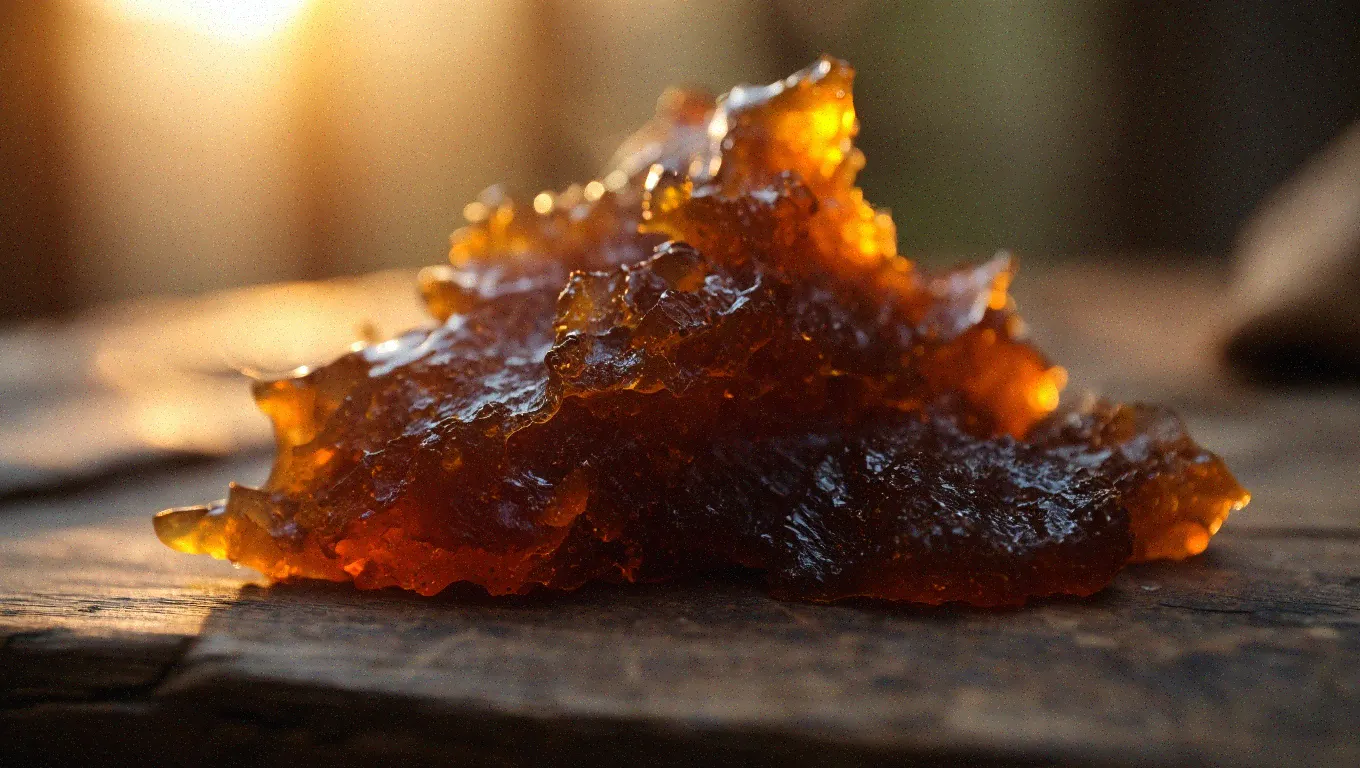
Labdanum’s Sweet Balsamic Molecules: Chemical Analysis and Synthetic Alternatives
Analysis of labdanum's chemical composition reveals that vanillin compounds, sclareol, and phenolics drive its sweet balsamic character. Three synthetic molecules—benzyl benzoate, Javanol, and ethyl vanillin with benzoin Siam—can enhance this sweetness while minimizing animalic notes.