Minimalist Perfumery: Molecular Transparency and the Art of Reduction
Minimalist perfumery achieves presence through radical reduction, utilizing 5-30 ingredients centered on transparent molecules like Iso E Super, Ambroxan, and Hedione at unprecedented concentrations (20-75%). This technical guide explores the chemistry, formulation strategies, and IFRA compliance considerations for creating minimalist fragrances that prioritize linearity, sheerness, and skin-chemistry interaction.
The Invisible Elegance: Transparent Woody Bases in Modern Perfumery
Transparent woody bases—Iso E Super, Ambroxan, Cedramber, and their molecular cousins—have revolutionized modern perfumery by creating presence without weight. This comprehensive guide explores their chemistry, olfactive properties, formulation strategies, and cultural impact on contemporary fragrance.

Reconstructing Iris: The Art and Science of Orris Alternatives
Natural orris butter commands $40,000-70,000/kg and requires six years to produce. Modern synthetic bases—Givaudan's Orris Givco, Firmenich's Iralia, and IFF's Irival Oliffac—offer remarkably complete reconstructions through captive molecules, methyl ionone refinement, and aldehydic chemistry. Specialty molecules like Orivone, Boisiris, and Isoraldeine capture dimensions standard ionones cannot, enabling multifaceted orris reconstruction at accessible price points.
Modern Fresh Sandalwood Formulations for Contemporary Perfumery
Comprehensive analysis of modern sandalwood molecules for fresh-creamy accords. Includes technical profiles, IFRA compliance data, and optimized formulation combining Javanol, Bacdanol, Hindinol, Firsantol, and Sandela for white floral compositions.

The Architecture of Modern Freshness: Contemporary Molecules in Cologne Base Construction
Modern cologne construction has evolved from citrus-herbal simplicity to molecular sophistication. Contemporary synthetics like Calone, Hedione, and Iso E Super create transparent, persistent freshness that traditional materials could never achieve—revolutionizing how we architect fresh fragrance.

Modern gourmand perfumery: Building transparent sweetness through chemistry
Modern gourmand perfumery has evolved from heavy, cloying compositions to transparent, sophisticated interpretations through strategic use of lactones, coumarin-based tonka effects, and woody-amber molecules. This comprehensive guide explores core aromachemicals, their regulatory constraints, synergistic behaviors, and professional formulation protocols for building contemporary sweet fragrances.
Decoding Modern Molecules and the Spatial Revolution in Fine Fragrance
An in-depth exploration of 21st-century fragrance molecules that revolutionize modern perfumery through spatial diffusion, transparency, and sustainability. This comprehensive analysis examines captive molecules like Paradisone, Amber Xtreme, and biotech innovations that achieve monumental sillage while maintaining the weightless aesthetic defining contemporary fine fragrance.
Tar Oil to Synthetic Leather Materials: Quantified Replacement Ratios
Comprehensive analysis establishing quantitative replacement ratios between natural tar oils and synthetic leather fragrance materials. Research reveals ratios of 1:10 to 1:20, with synthetics requiring only 5-20% of original tar oil concentrations for equivalent olfactory impact.
The Alchemy of Scarcity: Defining Elite Materials in Niche Perfumery
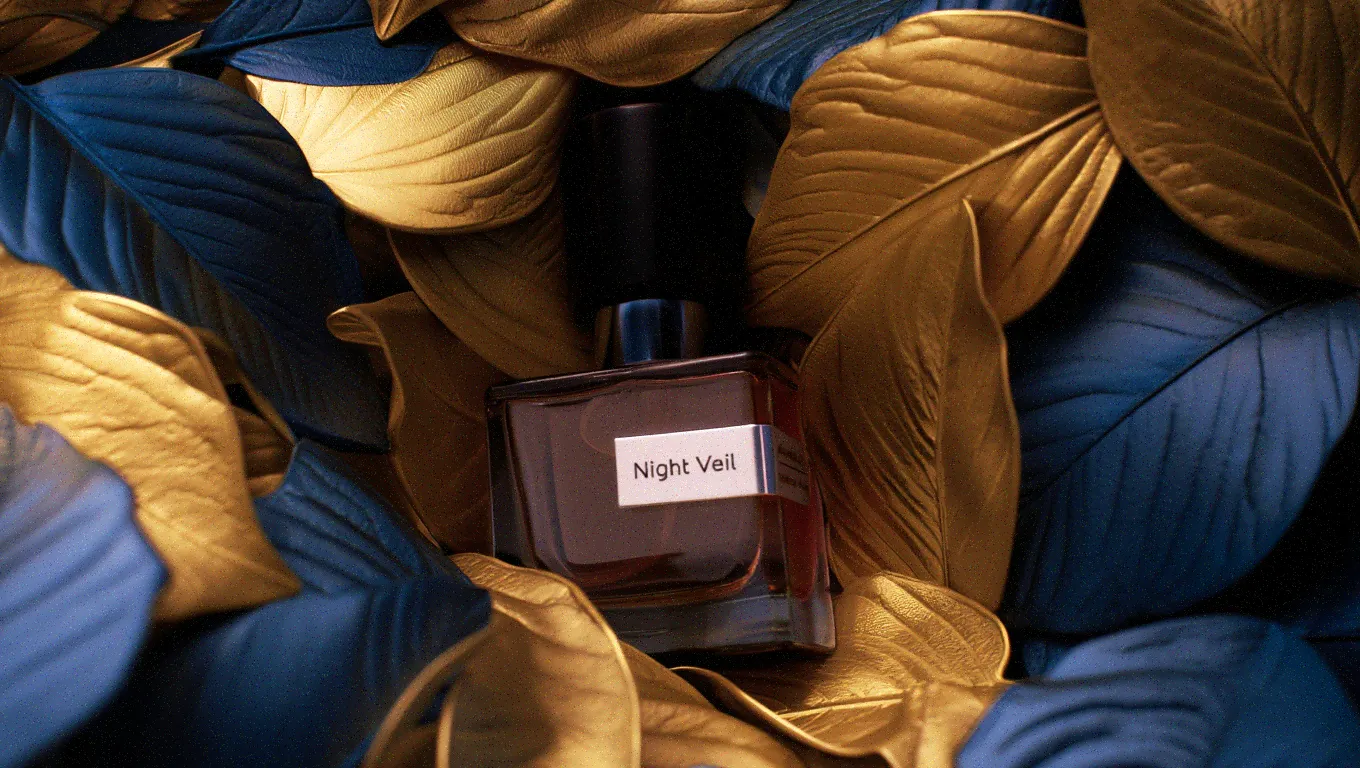
An in-depth exploration of the world's most expensive and rare perfumery materials, examining the economic, ecological, and ethical factors that define elite ingredients from wild oud and aged attars to challenging floral absolutes.
The Architectonics of Non-Sweet Resinous Wood: A Study in Structural Tenacity
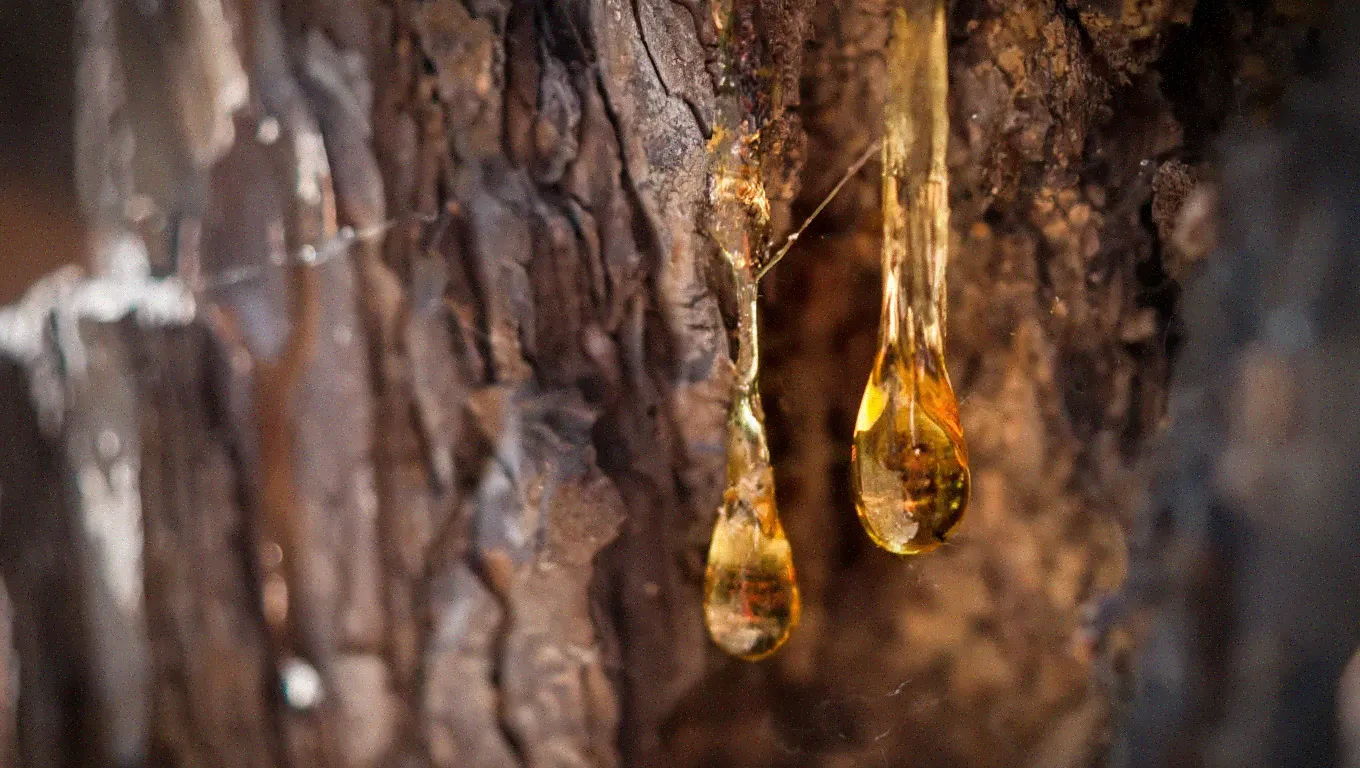
A comprehensive analysis of non-sweet resinous woods in perfumery, exploring the chemical and olfactive distinctions between dry, terpenic resins and sweet balsamic materials.