The Architecture of Modern Freshness: Contemporary Molecules in Cologne Base Construction
Modern cologne construction has evolved from citrus-herbal simplicity to molecular sophistication. Contemporary synthetics like Calone, Hedione, and Iso E Super create transparent, persistent freshness that traditional materials could never achieve—revolutionizing how we architect fresh fragrance.

The Modern Rose Accord: Molecular Architecture and Olfactive Artistry
Modern rose accord construction combines traditional alcohols (citronellol, geraniol, PEA) with powerful trace molecules like β-damascenone and rose oxide. This comprehensive analysis explores how contemporary perfumers layer damascones for fruity transparency, rose oxide for metallic sparkle, and galaxolide for skin-scent intimacy, creating rose interpretations impossible in pre-1960s perfumery.
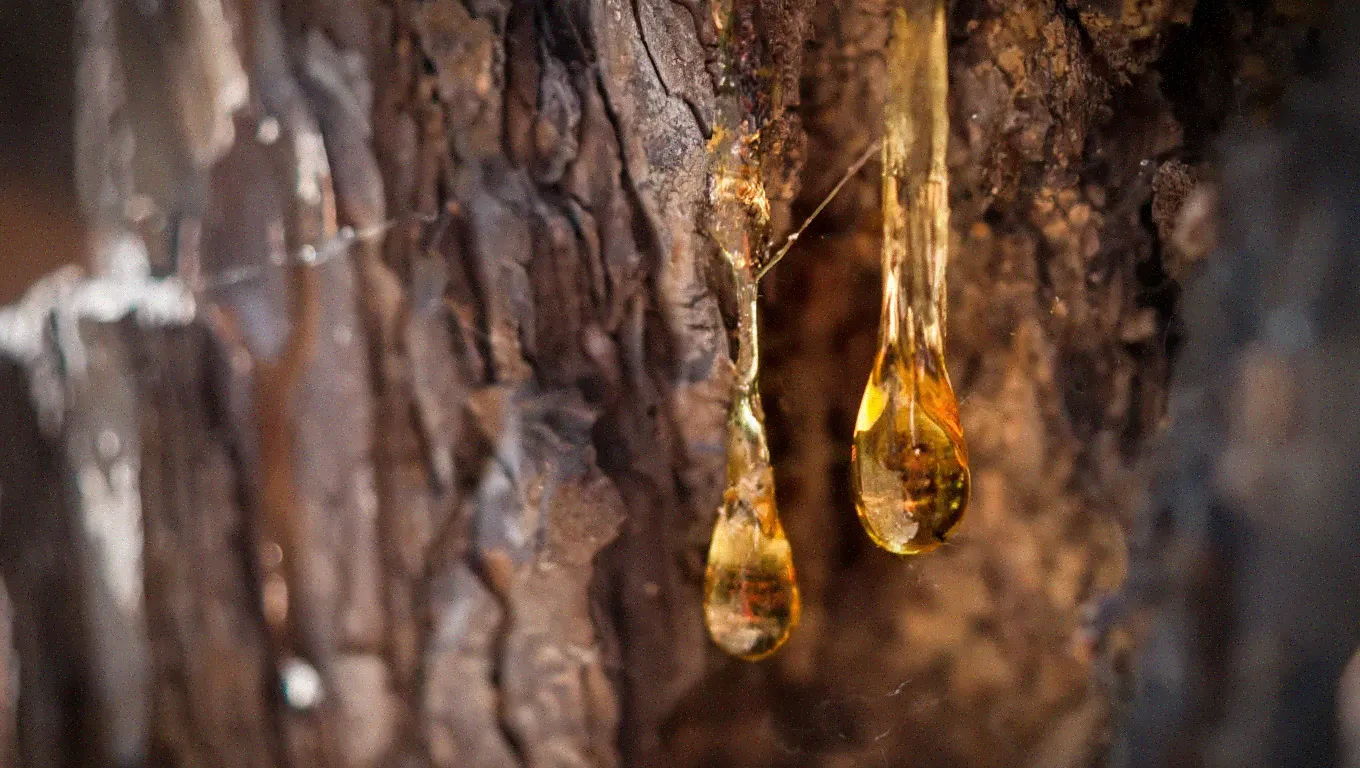
The Architectonics of Non-Sweet Resinous Wood: A Study in Structural Tenacity
A comprehensive analysis of non-sweet resinous woods in perfumery, exploring the chemical and olfactive distinctions between dry, terpenic resins and sweet balsamic materials.
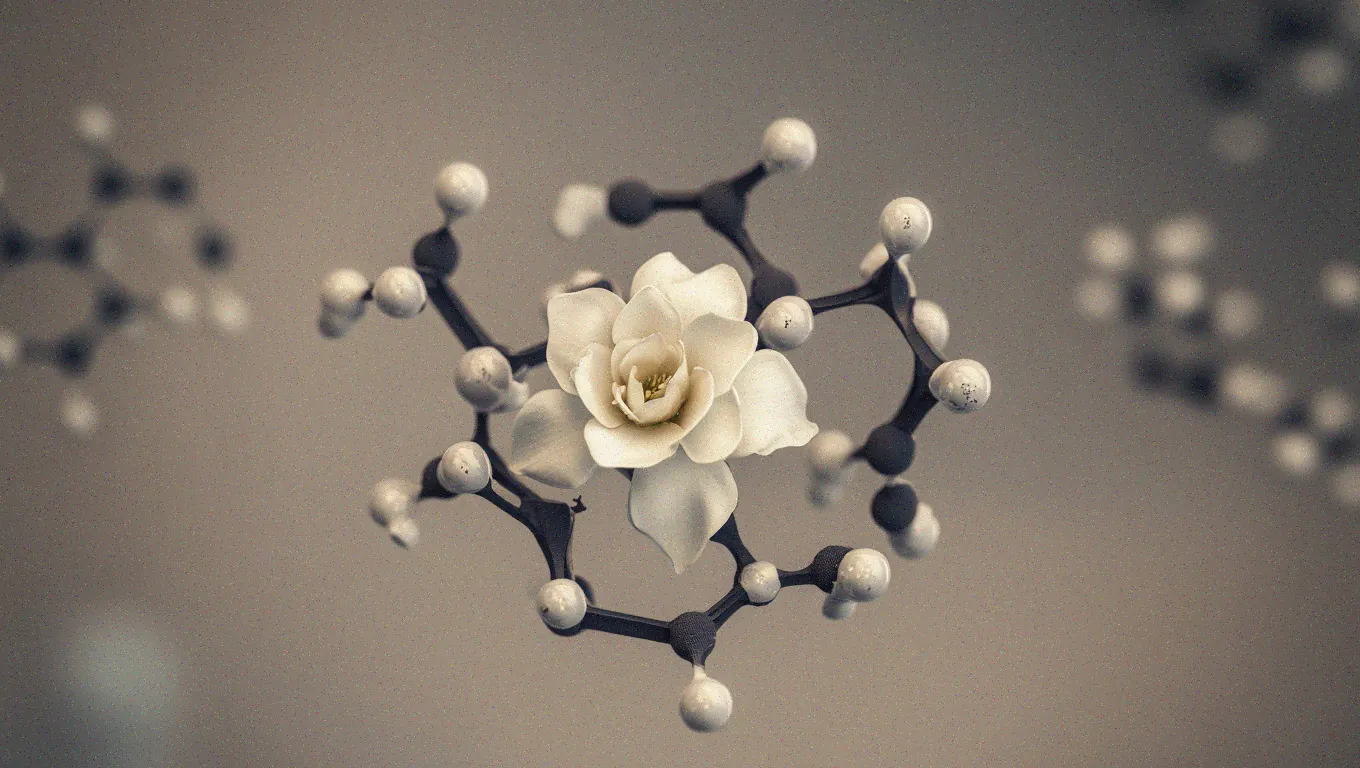
Molecular Mechanisms of Perfume Fixatives: A Physical Chemistry Perspective
Crystalline and macrocyclic musk fixatives function through overlapping physical and thermodynamic mechanisms including hydrogen bonding, vapor pressure depression, and host-guest chemistry. Vapor pressures range from 0.00025 to 0.066 Pa—orders of magnitude lower than typical fragrance volatiles.

The Architecture of Olfactory Aesthetics: Sensory Experience and Emotional Modulation in Niche Perfumery
An exploration of how niche perfumery translates psychological desires into olfactory architecture through molecular engineering, textural design, and targeted emotional modulation, from status-signaling oriental accords to minimalist skin scents and therapeutic wellness fragrances.

White Ambergris Chemistry Reveals Sophisticated Reconstitution Pathways
White ambergris chemistry centers on ambrein photooxidative degradation to ambroxide compounds. Modern reconstitution uses Ambroxan, Cetalox, and Ambrinol—all IFRA unrestricted. Proper dilution enables gentle sensual notes characteristic of naturally aged material.

Calypsone and Modern Marine Molecules in Perfumery
Calypsone remains a Givaudan-exclusive molecule with linear watermelon-marine character, while cascalone offers the most accessible alternative despite fundamental differences. This guide provides practical substitution strategies across fragrance categories, concentration guidelines, and comprehensive analysis of the modern marine molecule landscape spanning 15+ distinct materials.

Technical Guide to Tobacco Accords in Perfumery
Comprehensive technical guide covering tobacco accord construction from natural absolutes to synthetic aromachemicals. Includes complete formulation examples, dilution ratios, layering methodology, and IFRA compliance guidelines for creating both traditional and modern floral-powdery tobacco profiles.

Thyme White’s Phenolic Power in Woody Fragrances
White thyme oil delivers powerful phenolic-herbaceous character in woody fragrances at 0.20-10.53% concentrations, though IFRA limits it to 2.0% maximum. Cedarwood and patchouli emerge as primary partners in formulations ranging from trace complexity modifiers to major aromatic components.