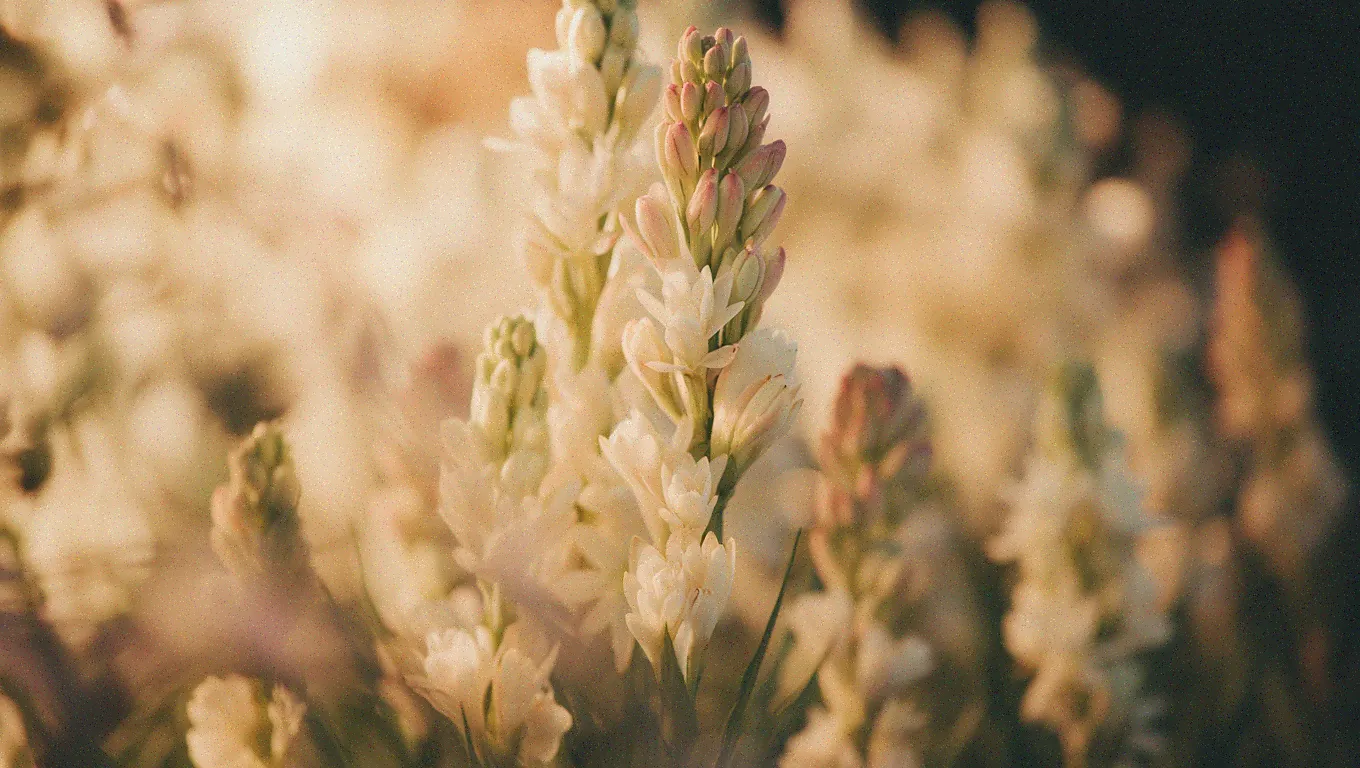
The Art of Narcotic Florals: Tuberose Absolute, Modern Synthetics, and Accord Construction
Tuberose reconstruction demands understanding of natural chemistry and modern synthetics. This comprehensive guide covers essential molecules like methyl tuberate and jasmolactone, professional formulation strategies from Jean Carles, IFRA compliance, and the lactonic-indolic balance that defines tuberose's narcotic character.
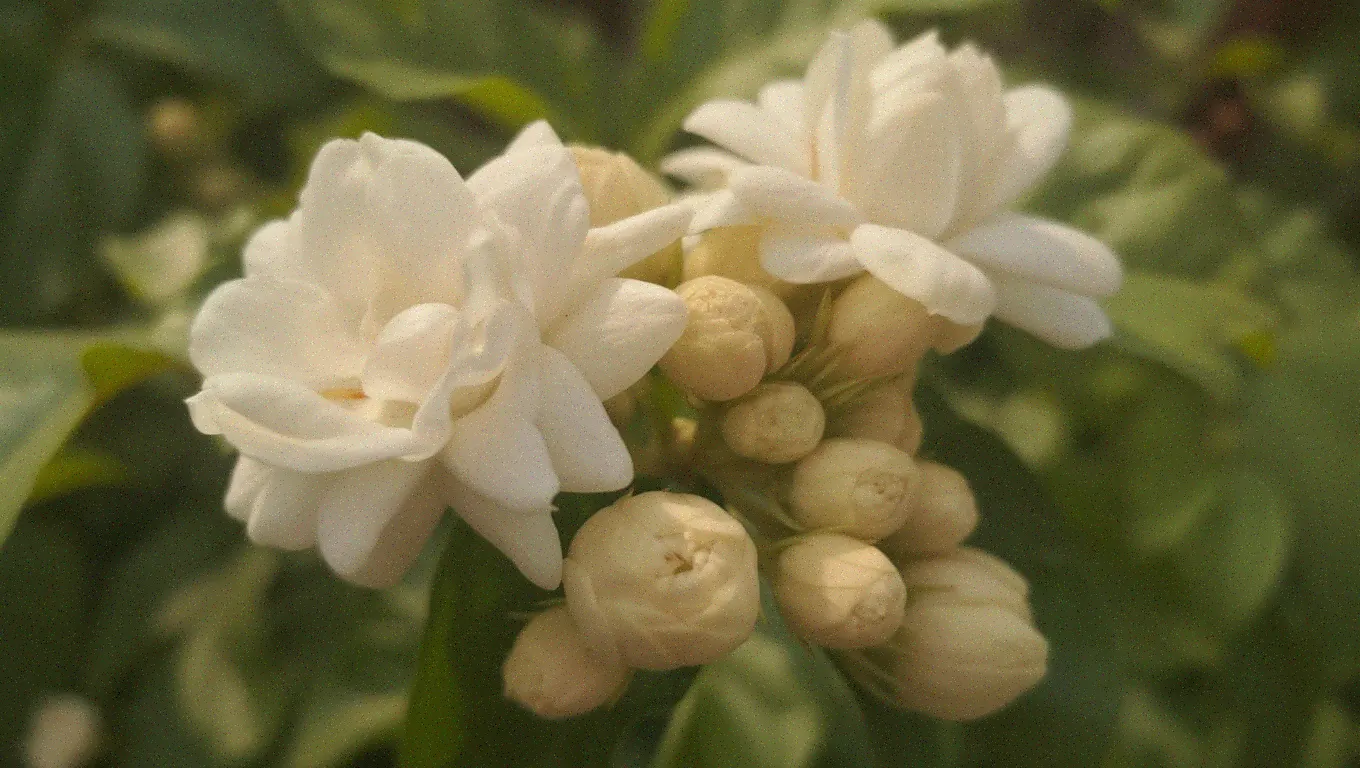
The Molecular Seduction of Jasmine: Chemistry, Indole, and the Art of White Floral Accords
Explore the chemistry and olfactory perception of jasmine's indole paradox. This technical analysis reveals how to create compelling synthetic jasmine accords using indole, Indolene, and complementary materials within IFRA regulations.
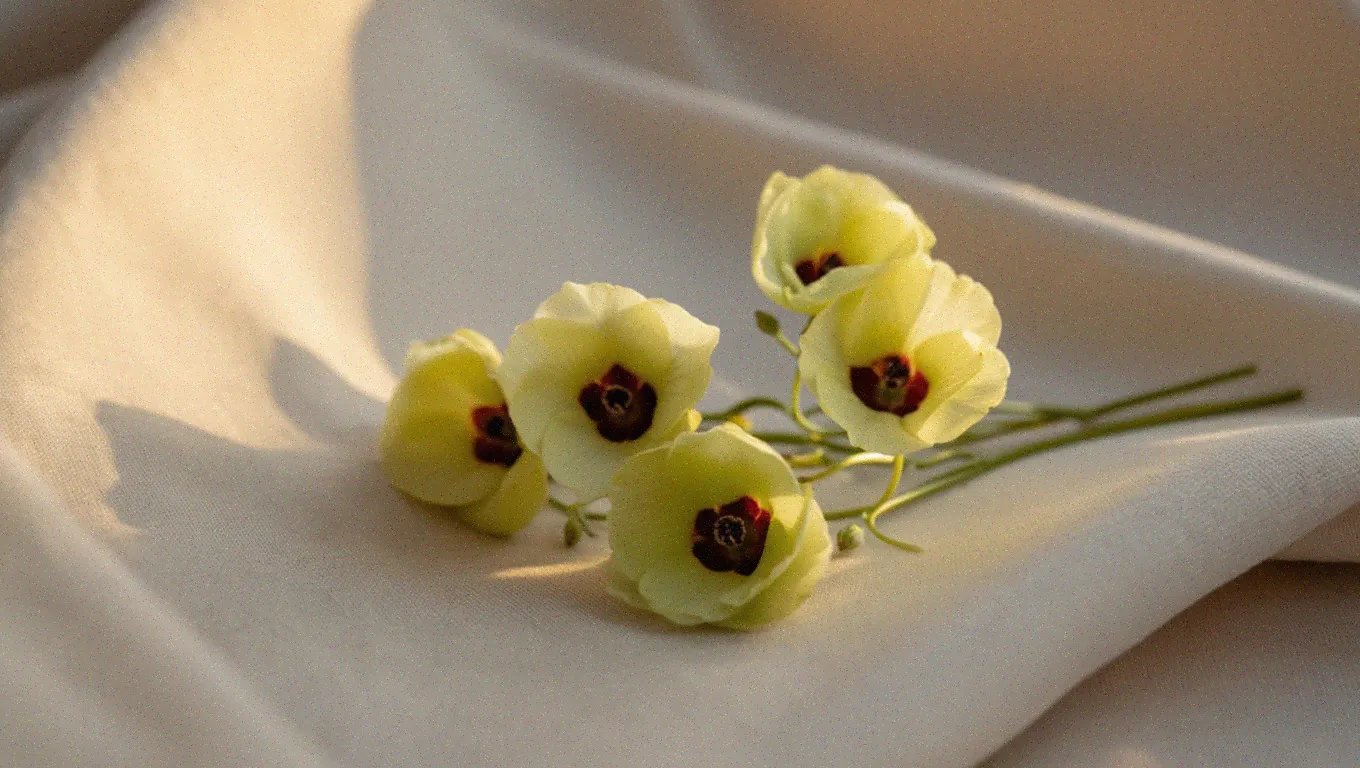
Ambrettolide: The macrocyclic musk that revolutionized modern perfumery
Ambrettolide represents the macrocyclic musk industry's most successful translation of a precious natural (ambrette seed absolute) into a sustainable, IFRA-compliant synthetic. At typical usage levels of 0.5-2%, it provides the characteristic ambrette exalting effect—lifting compositions while anchoring them with tenacious warmth—at approximately one-tenth the cost of natural absolute.
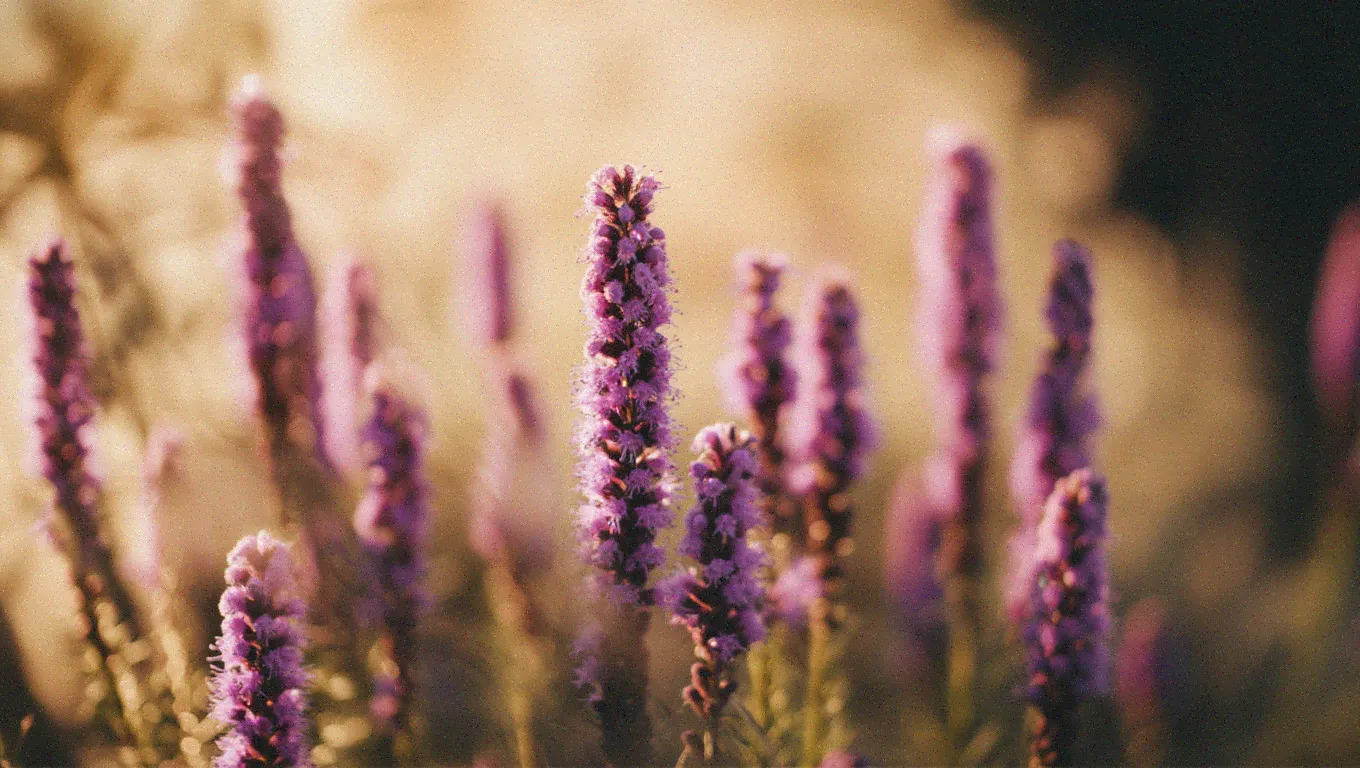
Liatrix absolute: the forgotten fixative behind tobacco’s golden age
Liatrix absolute delivers authentic tobacco character with 50-75% natural coumarin content, exceptional fixative properties, and multi-dimensional scent bridging gourmand sweetness and masculine hay-leather sophistication for fougères, tobacco orientals, and leather accords.
The End of an Era: Technical Guide to Replacing Amber Dioxane (Karanal)
With Karanal now unavailable due to environmental persistence concerns, perfumers must replace this legendary dry amber with strategic molecular combinations. This guide provides professional formulation strategies using Norlimbanol, Okoumal, Cedroxyde, and super-amber synergies.
Benzoin Reconstruction: From Styrax Chemistry to Modern Formulation
A comprehensive guide to reconstructing benzoin absolute using aromachemicals. Detailed formulations, IFRA compliance data, and professional usage patterns for creating authentic sweet-balsamic benzoin effects in modern perfumery.
Paradisone: Firmenich’s captive jasmine molecule that transforms fragrance diffusion
Paradisone is Firmenich's captive jasmine molecule containing ~94% cis-isomer of methyl dihydrojasmonate, delivering 1000x the diffusion of standard Hedione. This technical profile covers its chemistry, olfactive character, regulatory status, and formulation applications in major commercial fragrances.
The Architecture of Dry Amber: Modern Molecules Reshaping Perfumery
A comprehensive analysis of seven modern dry amber molecules—Ambermax, Amber Xtreme, Karanal, Amberketal, Ysamber K, Okoumal, and Trisamber—exploring their olfactive profiles, technical specifications, formulation strategies, and regulatory considerations in contemporary perfumery.
The Invisible Elegance: Transparent Woody Bases in Modern Perfumery
Transparent woody bases—Iso E Super, Ambroxan, Cedramber, and their molecular cousins—have revolutionized modern perfumery by creating presence without weight. This comprehensive guide explores their chemistry, olfactive properties, formulation strategies, and cultural impact on contemporary fragrance.
Modern Fresh Sandalwood Formulations for Contemporary Perfumery
Comprehensive analysis of modern sandalwood molecules for fresh-creamy accords. Includes technical profiles, IFRA compliance data, and optimized formulation combining Javanol, Bacdanol, Hindinol, Firsantol, and Sandela for white floral compositions.