

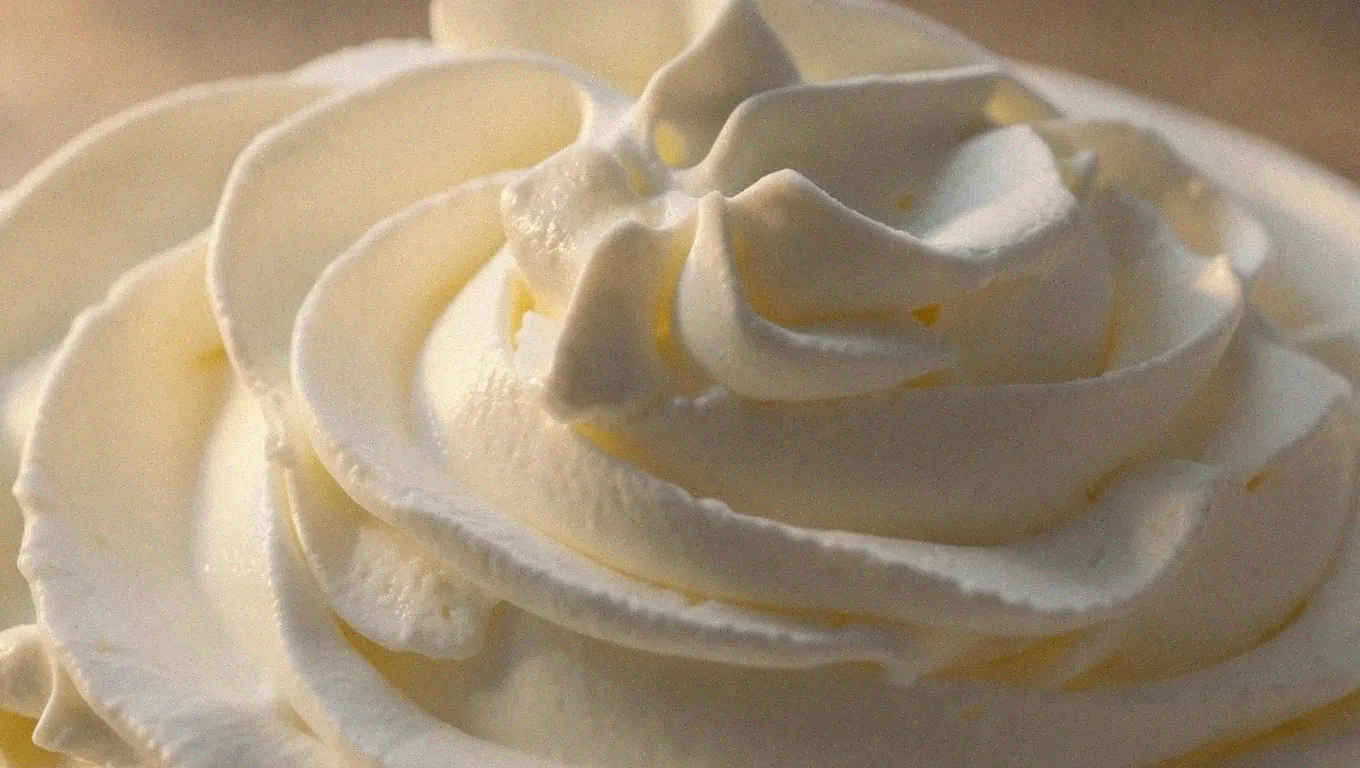
Cream Notes in Perfumery: Crafting Lactonic Dreams in Modern Creamy Accord
Cream in perfumery speaks two distinct languages—one whispers of patisserie and powdered almonds, the other murmurs of warm milk fresh from the pail. These parallel dialects of softness have captivated perfumers for over a century, not merely as pleasant additions but as essential architectural elements that transform compositions from flat constructions into three-dimensional experiences that breathe against skin. Understanding both facets—the gourmand confectionery and the true fatty dairy—unlocks a dimension of perfumery where comfort becomes intoxicating and softness carries weight.
The dessert-maker’s palette: coumarinic sweetness and vanilla dreams
The first creamy language emerged from the confectioner’s workshop. When Houbigant’s Fougère Royale debuted in 1884 containing some 10% coumarin, perfumery discovered that the scent of new-mown hay could transform into something altogether more seductive—a powdery warmth that hinted at almond paste and freshly baked biscuits.
Coumarin remains the cornerstone of this gourmand creaminess, though IFRA now restricts it to 1.6% in finished products. Its genius lies in modulation: at trace levels, it reads as herbal and hay-like; pushed higher, it becomes marzipan, tonka, and sweet tobacco. Perfumers have long known that a touch of coumarin “naturalises vanillin, giving a truer note of vanilla beans,” while an overdose contributes “a wonderful and complex note of tonka.” Its tenacity exceeds 364 hours on blotter—a persistence that anchors compositions through their entire evolution.
Dihydrocoumarin offers the perfumer something coumarin cannot quite deliver: a distinctly custard-smooth character. Less hay-like, more like crème anglaise poured over warm pastry. It functions as a crossover player—”less bakery than vanillin yet rounder than coumarin”—making it invaluable when the brief calls for something simultaneously sweet and sophisticated. Usage typically ranges from traces to 3%, with the almond character focusing around 1%. Beyond 3%, a subtle bitter twang emerges that can compromise fine fragrance work.
The vanillin family forms the heart of dessert-cream compositions. Pure vanillin, despite its ubiquity, reveals unexpected phenolic harshness when encountered undiluted—consumers who smell it in isolation often describe chocolate or ice cream before recognizing vanilla. Ethyl vanillin delivers three to four times the intensity with a slightly more chocolatey, transparent quality. The professional secret: combine both. Ethyl vanillin for strength and radiance; vanillin for foundation-building warmth. The ratio becomes a signature, a personal preference that defines a perfumer’s vanilla style.
Heliotropin (piperonal) introduces the powdery-almond dimension essential to classic gourmand creams—think play-dough warmth, cherry marzipan, freshly baked comfort. Guerlain understood this intimately; L’Heure Bleue and Après l’Ondée both depend on heliotropin’s quiet magic. Modern formulations face regulatory challenges, however, making alternatives like Heliotropex or Dulcinyl increasingly necessary.
The modern gourmand revolution traces to a single molecule: ethyl maltol. When Thierry Mugler’s Angel appeared in 1992 containing approximately 0.5% ethyl maltol, perfumery crossed a threshold. That cotton-candy sweetness, four to six times more intense than maltol with pronounced strawberry-jammy facets, became the defining note of an era. Contemporary fragrances like Baccarat Rouge 540 now deploy ethyl maltol at 2% or higher—a concentration Angel’s creators could scarcely have imagined. The material demands respect: supplied as white crystalline powder requiring warm DPG to dissolve, it overwhelms with startling ease. Titrate upward in 0.02% increments, allowing days between evaluations.
For the most intense caramelized effects, sotolone (caramel furanone) offers extraordinary power at vanishing concentrations. At high doses, it screams fenugreek and curry; diluted to 0.01% or less, it becomes pure maple syrup and burnt sugar. Its tenacity exceeds 400 hours. As one technical source warns, “a house could become unlivable if it leaked or spilt.” Handle accordingly.
The second language: true dairy fat and lactonic richness
The second creamy dialect speaks not of patisserie but of the dairy—warm milk, fresh butter, the rich mouthfeel of heavy cream. This territory requires different materials entirely, and understanding the distinction separates capable perfumers from those who merely follow formulas.
Butter absolute and the challenge of authenticity
Butter CO2 remains the only natural material capable of delivering genuine dairy character—and therein lies both its power and its peril. Extracted via supercritical CO2 from anhydrous milk fat, it offers what perfumer Joseph Colbourne describes as “deliciously rich, salty, with notes of cheese that could easily play off contrasting notes… a velvety sweet, creamy sheen develops in the drydown.”
Its chemistry reveals why: approximately 29% palmitic acid, 22-24% oleic acid, 16% myristic acid, plus lauric, stearic, and capric acids. These long-chain fatty molecules create an olfactory fingerprint no synthetic fully replicates. The material doubles as an exceptional fixative, capable of extending delicate florals like tuberose and orange blossom where other fixatives fail.
The challenge: butter CO2 is ferociously potent and dangerously unstable. Many perfumers dilute to 10% in fractionated coconut oil before attempting formulation. Even then, the material can smell of parmesan, rancid ghee, or body odor if quality is poor or oxidation has occurred. Batch variation is significant; rosemary antioxidant helps maintain freshness. The message is clear—approach with caution, in minute amounts, and always after dilution.
The lactone kingdom: where cream meets chemistry
For most professional applications, lactones provide the practical pathway to dairy creaminess. These cyclic esters, formed when hydroxyl and carboxyl groups within a molecule create an internal ring structure, deliver creamy-milky-coconut-fruity effects with the consistency and stability that natural dairy cannot offer.
The fundamental principle: ring size determines character. Gamma (γ) lactones possess five-membered rings and deliver aggressive sweetness with high impact—brilliant but often reading as synthetic, reminiscent of coconut candy. Delta (δ) lactones carry six-membered rings and offer something more valuable for true dairy effects: softer, creamier, distinctly naturalistic profiles. Choose δ-lactones for fresh coconut milk; γ-lactones for coconut confection.
Chain length matters equally. Shorter chains (C6-C8) tend herbaceous, sometimes cumin-like. The C9-C11 range delivers stone fruit—peach, apricot, plum. At C12 and beyond, concentrated dairy territory emerges: butter, aged cream, cheese. Every additional carbon approximately doubles residence time on skin, ranging from minutes to weeks.
The essential lactones for creamy formulation
δ-Decalactone (CAS 705-86-2) stands as the pillar of dairy notes in perfumery. Sweet, creamy, lactonic, fatty, with coconut and milky character—it captures the exact intersection where tropical fruit meets cream. Found naturally in coconut, peach, raspberry, and blue cheese, it transforms pure peach into buttery coconut richness. Usage typically runs 0.1-1%; above 1%, it overwhelms. Tenacity exceeds 366 hours—competing with musks for persistence.
δ-Nonalactone (CAS 3301-94-8) offers the sophisticated alternative, presenting coconut through a naturalistic lens—creamy, fatty, milky rather than synthetic—with a distinctive coumarin-like undertone invaluable for modern fougères facing coumarin restrictions. Usage extends to 5% in concentrate.
δ-Undecalactone (CAS 710-04-3) bridges shorter creamy lactones and longer dairy-focused ones, delivering creamy coconut with pronounced peachy facets and waxy undertones. Very strong and long-lasting, it’s recommended up to 10% of concentrate.
Methyl Laitone (Givaudan, CAS 94201-19-1) represents the spiro-lactone approach—extremely powerful for creamy, fruity volume with coconut-milk and coumarin character. It provides “cosmetic body” to compositions and exceptional synergy with jasmine, gardenia, tuberose, sandalwood, and coumarin. Tenacity: one week on smelling strip. Always supplied as 10% solution due to extreme potency. Givaudan’s synergy formula—50% Methyl Laitone 10%/DPG + 50% Nectaryl—creates what they describe as “peach cheesecake.”
Bicyclononalactone (IFF, CAS 4430-31-3), technically octahydrocoumarin, transcends simple coconut-peach variations to deliver sweet, lactonic, tonka-vanilla-almond character with hay and coumarinic undertones. Unlike straightforward lactones, it functions primarily as a coumarin alternative with no IFRA restrictions and tenacity exceeding 400 hours. Notable appearances include Hermès Ambre Narguile at 4% and MFK Grand Soir at 1.5%. In small quantities added to coumarin, it helps achieve closer approximation to genuine tonka absolute.
Koumalactone (Firmenich, CAS 92015-65-1) brings hyper-potent coumarin character with unique tobacco facets—lactonic, tonka, phenolic, with hints of licorice and anise. It must be dosed at one-tenth the concentration of traditional coumarin. Supplied as 10% solution in TEC, further dilution to 1% for easier dosing is advisable. Tenacity: one week.
Jasmolactone δ (Firmenich, CAS 32764-98-0) ranks among perfumery’s most precious materials—”identified as one of the finest chemicals known in perfumery” by Arcadi Boix Camps. Transcending simple fruit-cream descriptors, it delivers authentic jasmine petal character with delicate peach fruitiness and coconut-milk creaminess. Effective at very low concentrations (0.1-1%), with exceptional diffusion and persistence exceeding 180 hours.
Laitone from Givaudan adds lactonic, creamy coconut-milk character with tropical fruit and plum nuances—useful for white florals and sandalwood enhancement where a milky quality is desired.
The crucial distinction: lactonic does not mean dairy
A critical clarification that separates professional understanding from amateur confusion: the word “lactonic” means “smells like lactone”—not “smells like milk.” Despite the Latin root (lac = milk), lactones typically deliver fruity-coconut-peach-tropical creaminess that the brain interprets as somewhat milky. True milk accords require additional components: unsaturated carboxylic acids (confusingly marketed as “dairy lactone,” which is not actually a lactone), ketones like acetoin and diacetyl, butyl butyryl lactate, and various carbonyls.
For authentic milk effects beyond lactones, consider methylbutylphenylacetate and 2-hexyl-4,5-dimethyl-1,3-dioxolane as milk accord components, or Firmenich’s Veloutone (a ketone with lactone-like effects but more abstract character). Sulfurol, greatly diluted, provides the milky heart of Jacques Cavallier’s groundbreaking Le Feu d’Issey.
Applications across the fragrance spectrum
Creamy notes find purpose far beyond gourmand compositions. White florals—tuberose, gardenia, jasmine, ylang—naturally contain lactones that provide milky, velvety weight. Tuberose absolute is laden with δ-nonalactone and jasmine lactone; its inherent buttery quality practically demands enhancement with trace butter CO2 or Methyl Laitone. Carnal Flower, Fracas, and Love Tuberose demonstrate how creamy amplification transforms already intoxicating florals into something almost narcotic. For detailed exploration of tuberose’s lactonic chemistry and professional reconstruction techniques, see our comprehensive guide on tuberose absolute and modern synthetics.
Fruity fragrances depend on lactones for that quality perfumers describe as “juicy smoothness.” γ-Undecalactone (Aldehyde C-14) is quintessential peach; δ-decalactone adds creamy coconut undertones to tropical fruit accords. The challenge lies in preventing coconut dominance—achieved through blending multiple lactones at lower concentrations, adding freshening elements like Hedione or cis-jasmone, or choosing alternative materials like Isobutavan (white chocolate character without coconut).
Oriental and amber compositions have long relied on creamy elements—the traditional amber base of labdanum and vanillin creates effects “languidly soft and succulent, like sweetened double cream.” Sandalwood functions as the archetypal creamy wood, its profile described as “woody, warm, rich, textured, creamy or milky, and soft”—like cashmere that feels enveloping in a nurturing way. When natural Mysore sandalwood remains unattainable, synthetics like Javanol and Ebanol provide creamy, natural-smelling alternatives with excellent longevity.
Even fresh compositions benefit from lactonic touches. Modern perfumers combine subtle cream with green-herbal elements, metallic aldehydes, or ozonic notes to create what might be called “lactonic transparency”—clean fragrances that nonetheless possess subtle dimensionality and warmth.
The fixative dimension
Beyond their olfactive contributions, creamy materials serve crucial functional purposes. Lactones provide exceptional fixative effects due to low vapor pressure, high molecular weight (particularly longer chains), and ring structure stability. δ-Decalactone at 366+ hours, bicyclononalactone exceeding 400 hours, Methyl Laitone and Koumalactone each lasting a week—these materials bind and smooth disparate elements, creating seamless transitions between top, heart, and base while extending the life of volatile notes.
Butter CO2, despite its handling challenges, functions as a fixative where others fail—”I tend to use butter CO2 when other fixatives do not seem to hold,” reports one natural perfumer. Combined with its unique animal-origin dairy character, this fixative quality makes it irreplaceable for certain effects.
Achieving cream without coconut: professional techniques
The eternal challenge: lactones intrinsically tend toward coconut-tropical character. Pure “cream without coconut” requires strategic approaches.
Use longer-chain lactones (C12+). γ-Dodecalactone delivers rich, almost oppressive creaminess reading as butter and aged cream (though use under 0.1% to avoid cheese territory). δ-Dodecalactone provides “cultured butter rather than spoiled milk.”
Prefer delta over gamma across all chain lengths. Where γ-decalactone shouts peach, δ-decalactone whispers coconut through butter.
Employ coumarin-adjacent lactones like bicyclononalactone (tonka-hay-vanilla without coconut prominence) and Koumalactone (coumarin-tobacco without tropical fruit).
Combine with non-lactone cream materials: Veloutone, methylbutylphenylacetate, sulfurol at extreme dilution, and creamy musks that soften coconut edges.
At strategic dilution (trace to 0.1%), longer-chain lactones become more peachy-fruity than dairy. True creamy effects emerge at proper dosing with heavy base materials—vanillin, ethyl maltol, benzoin.
A Modern Creamy Fragrance Base: “Crème Veloutée”
The following perfume base demonstrates both creamy dialects working in harmony—gourmand sweetness supporting true fatty creaminess, with lactonic richness anchored by resinous warmth. Designed as a versatile base for extension with florals, fruits, or woods.
Formula (Total: 100 parts by weight)
Fatty Cream Foundation (25 parts)
δ-Decalactone.................................. 6.0
Primary dairy-lactonic anchor
δ-Nonalactone.................................. 3.0
Coumarinic cream, naturalizes blend
Methyl Laitone 10% in DPG...................... 4.0
Milky cosmetic body
Bicyclononalactone............................. 5.0
Tonka-hay creaminess, fixative
Jasmolactone δ................................. 2.0
Floral-creamy diffusion
Butter CO2 (10% dilution)...................... 2.0
True dairy authenticity
Sandalwood East Indian or Javanol.............. 3.0
Creamy wood foundation
                                                ----
                                                25.0
Gourmand Sweet Layer (30 parts)
Vanillin....................................... 8.0
Vanilla foundation
Ethyl Vanillin 10%............................. 5.0
Radiant vanilla strength
Coumarin....................................... 6.0
Hay-tonka warmth, naturalizes vanilla
Dihydrocoumarin................................ 3.0
Custard smoothness
Ethyl Maltol 10% in DPG........................ 4.0
Caramelized sweetness
Heliotropin.................................... 2.0
Powdery almond softness
Maltol 10%..................................... 2.0
Warm bready undertone
                                                ----
                                                30.0
Resinous Warmth & Fixation (20 parts)
Benzoin Siam Resinoid.......................... 7.0
Balsamic cream, fixative
Peru Balsam.................................... 4.0
Vanillic depth, anchoring
Tonka Bean Absolute............................ 5.0
Natural coumarin complexity
Labdanum Absolute.............................. 4.0
Amber warmth, body
                                                ----
                                                20.0
Musk & Velvety Finish (15 parts)
Ethylene Brassylate............................ 5.0
Clean musky softness
Muscenone...................................... 4.0
Powdery enveloping musk
Helvetolide.................................... 3.0
Fruity musk, modern touch
Iso E Super.................................... 3.0
Woody warmth, skin effect
                                                ----
                                                15.0
Diffusion & Blending (10 parts)
Hedione........................................ 6.0
Airiness, blends harsh edges
Benzyl Benzoate................................ 4.0
Solvent, fixative, mild balsamic
                                                ----
                                                10.0
-----
TOTAL......................................... 100.0Formulation Notes
Macerate minimum three weeks; optimal development at six weeks. The butter CO2 may initially present slightly sharp—this mellows significantly with time. The lactonic foundation should read as rich cream rather than coconut; if coconut dominates, reduce δ-decalactone by half and increase bicyclononalactone proportionally.
This base extends beautifully with:
- White florals: Add 15-20% tuberose absolute or Hedione-boosted jasmine for lactonic floral cream
- Fruits: Layer with γ-undecalactone and aldehyde C-14 for peach-cream
- Amber oriental: Increase labdanum and add trace castoreum or civet base for depth
- Gourmand intensification: Boost ethyl maltol to 6% and add 0.5% sotolone 1% dilution
The architecture of cream in perfumery ultimately reveals itself as an architecture of comfort—materials that smooth harsh edges, extend precious florals, and wrap the wearer in something that feels simultaneously indulgent and intimate. Whether pursuing the patisserie dream of coumarin and ethyl maltol or the dairy richness of lactones and butter, the perfumer works toward the same destination: that particular quality of softness that makes a fragrance feel not merely beautiful, but beloved.


Pingback: The Art of Narcotic Florals: Tuberose Absolute, Modern Synthetics, and Accord Construction - olfactive aesthetics author's niche perfumery
February 13, 2026