

Heavy fragrance and rough character: why we find them pleasant
Heavy fragrances command attention through measurable physicochemical properties and deliberate compositional strategies. Understanding why we find rough, challenging materials pleasant requires exploring molecular behavior, sensory processing, and aesthetic philosophy.
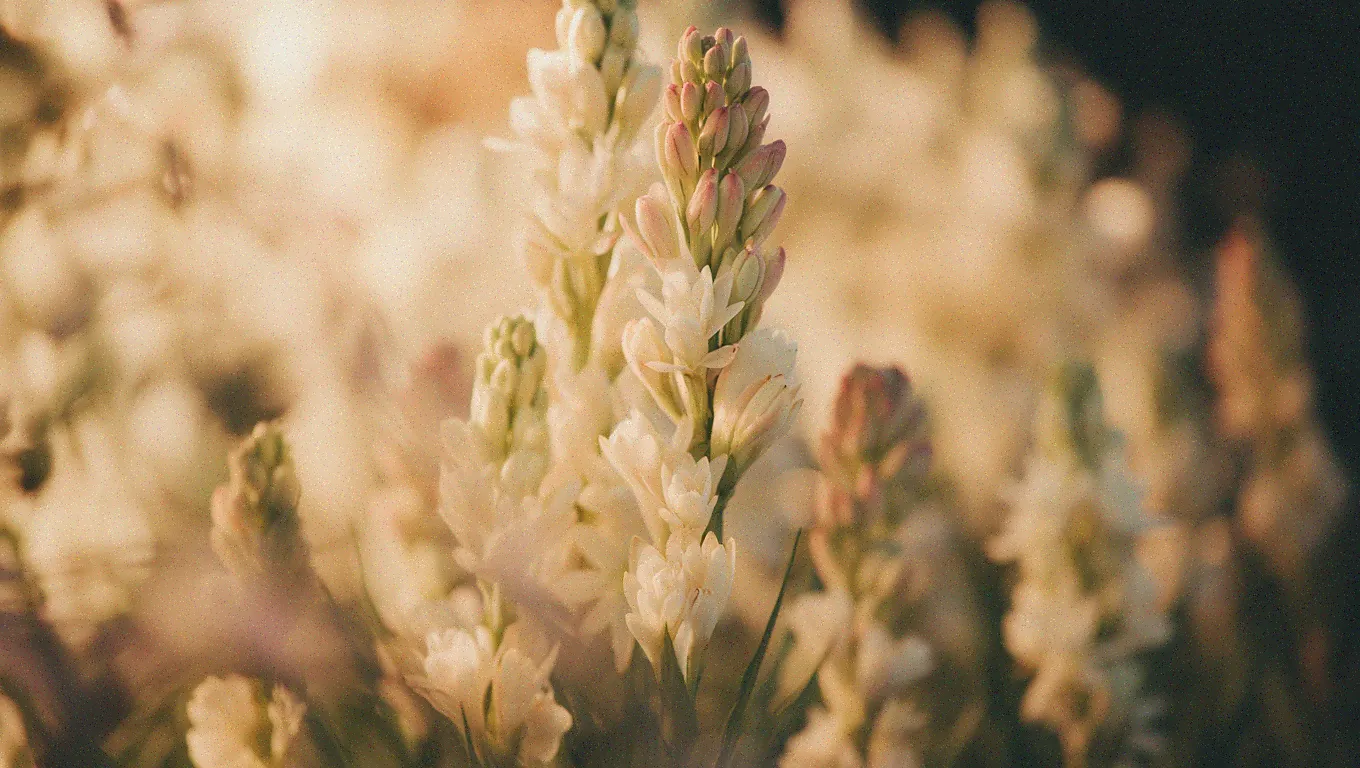
The Art of Narcotic Florals: Tuberose Absolute, Modern Synthetics, and Accord Construction
Tuberose reconstruction demands understanding of natural chemistry and modern synthetics. This comprehensive guide covers essential molecules like methyl tuberate and jasmolactone, professional formulation strategies from Jean Carles, IFRA compliance, and the lactonic-indolic balance that defines tuberose's narcotic character.
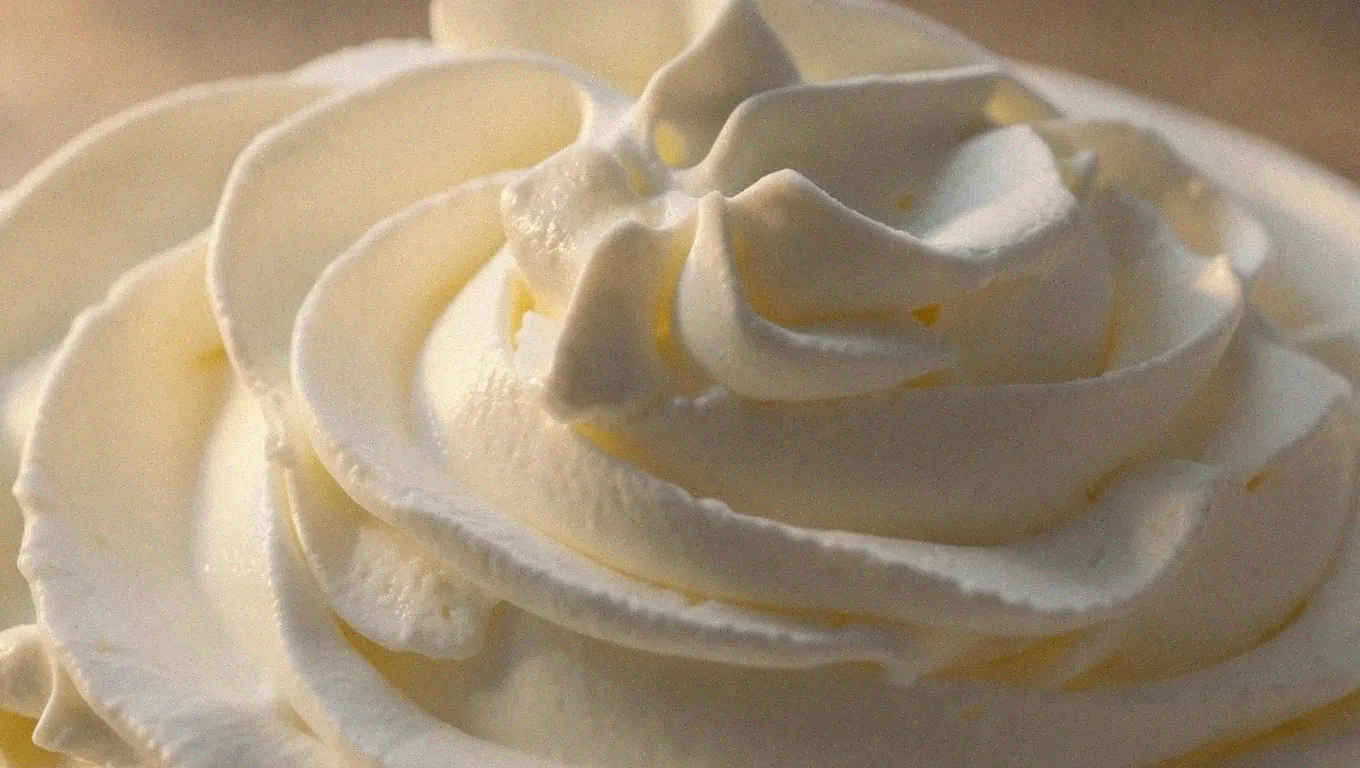
Cream Notes in Perfumery: Crafting Lactonic Dreams in Modern Creamy Accord
Cream notes in perfumery speak two languages—gourmand sweetness through coumarin and vanilla, and true dairy richness via lactones and butter CO2. This guide explores both dialects, covering essential molecules from delta-decalactone to ethyl maltol, with a complete creamy fragrance formula.
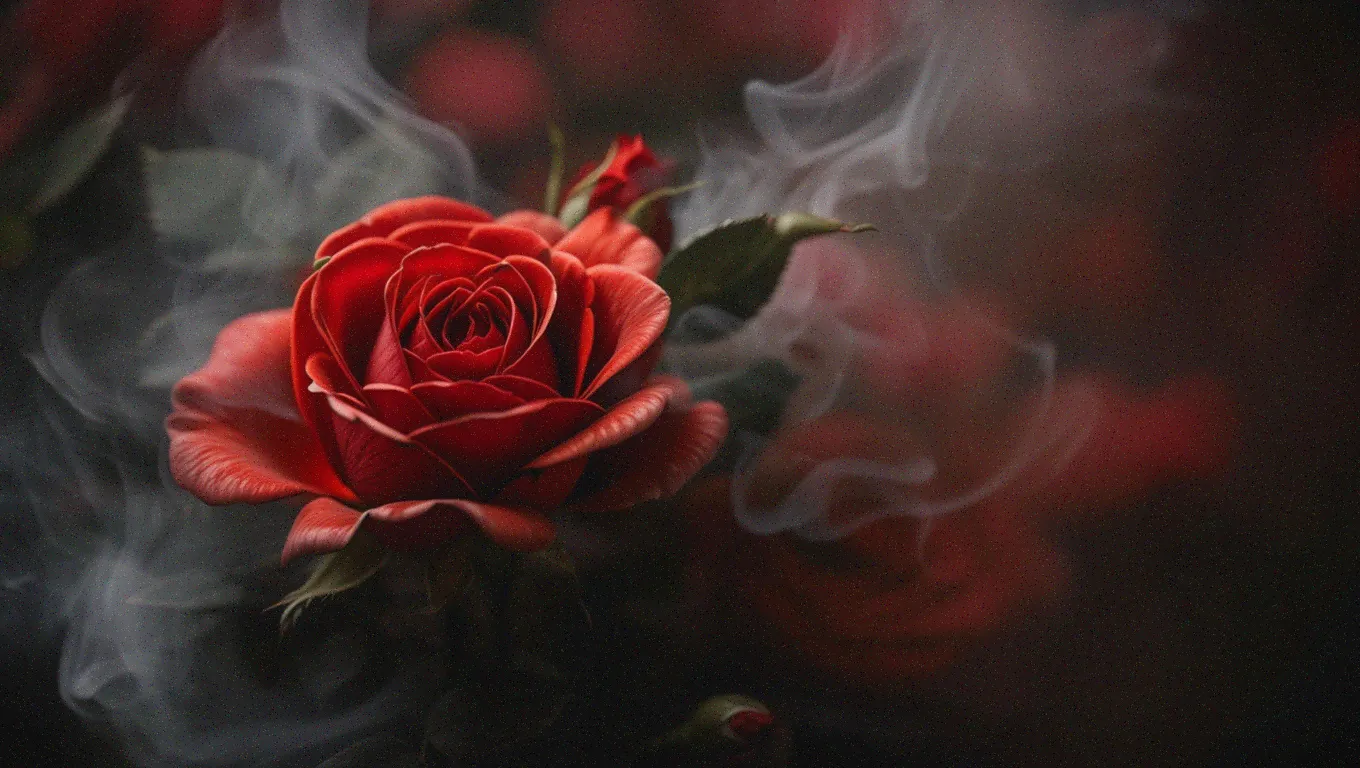
Paradis Noir: Decoding Desire Through Fragrance Deconstruction
A technical deconstruction of Paradis Noir molecular architecture: how aged Mysore sandalwood, Turkish rose absolute, oriental amber, wild frankincense, and Meghalayan oud combine to create desire-awakening perfumery through neurological activation and physiological response.
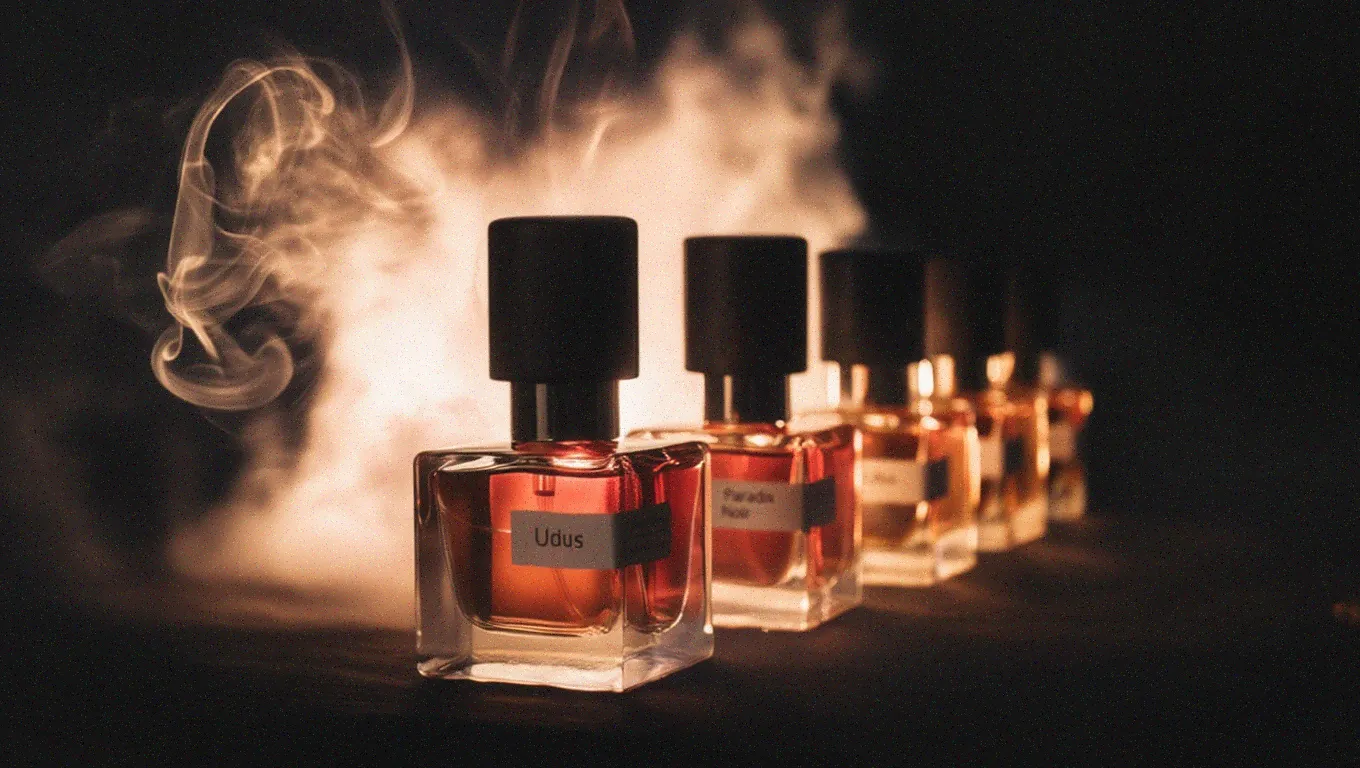
The Olfactive Signature: Crafting an Invisible Thread Through a Perfumer’s Body of Work
Authentic olfactive signature emerges from a perfumer's accumulated creative decisions—material choices, structural preferences, and aesthetic convictions—rather than commercial formulas. Drawing on interviews with industry masters like Jean-Claude Ellena, Geza Schoen, and Naomi Goodsir, this exploration reveals how genuine fragrance voice develops through patient material study, willingness to discard, and honest engagement with personal sensory responses.
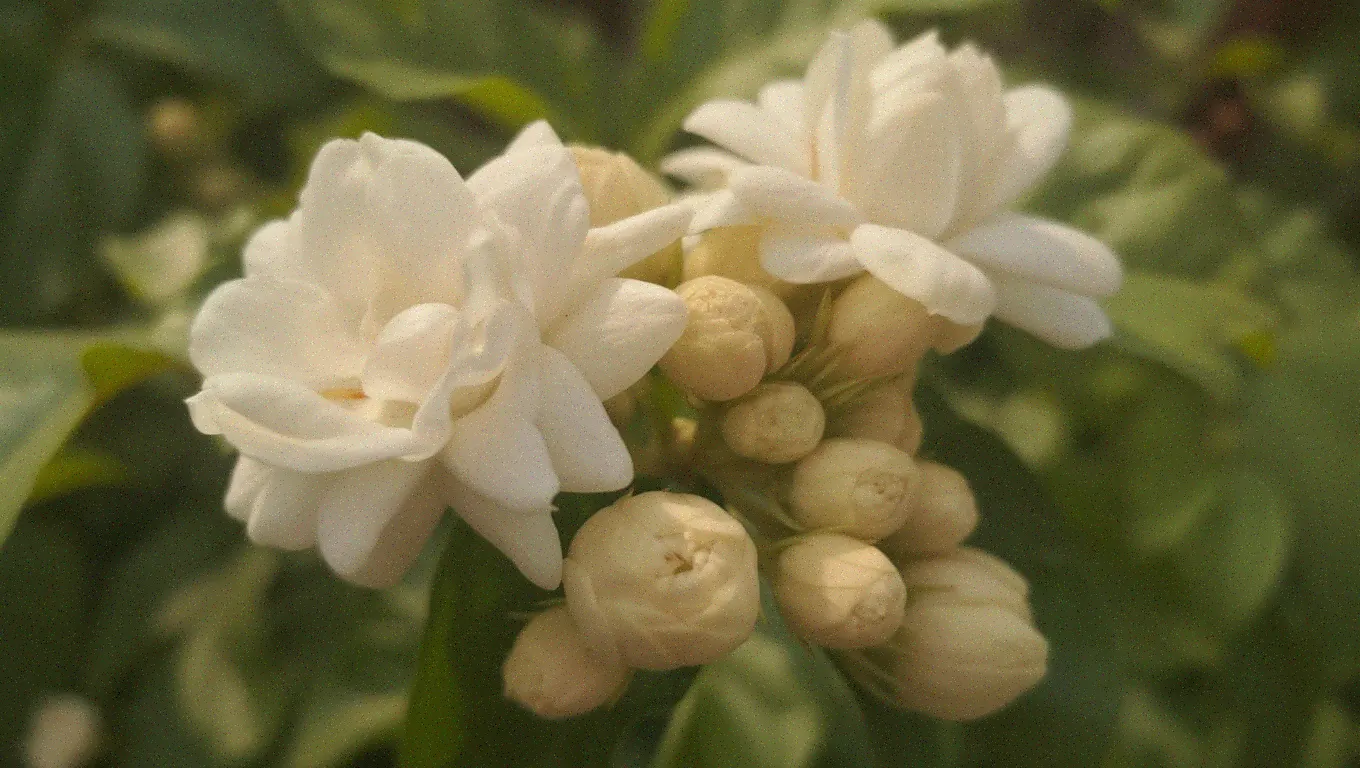
The Molecular Seduction of Jasmine: Chemistry, Indole, and the Art of White Floral Accords
Explore the chemistry and olfactory perception of jasmine's indole paradox. This technical analysis reveals how to create compelling synthetic jasmine accords using indole, Indolene, and complementary materials within IFRA regulations.
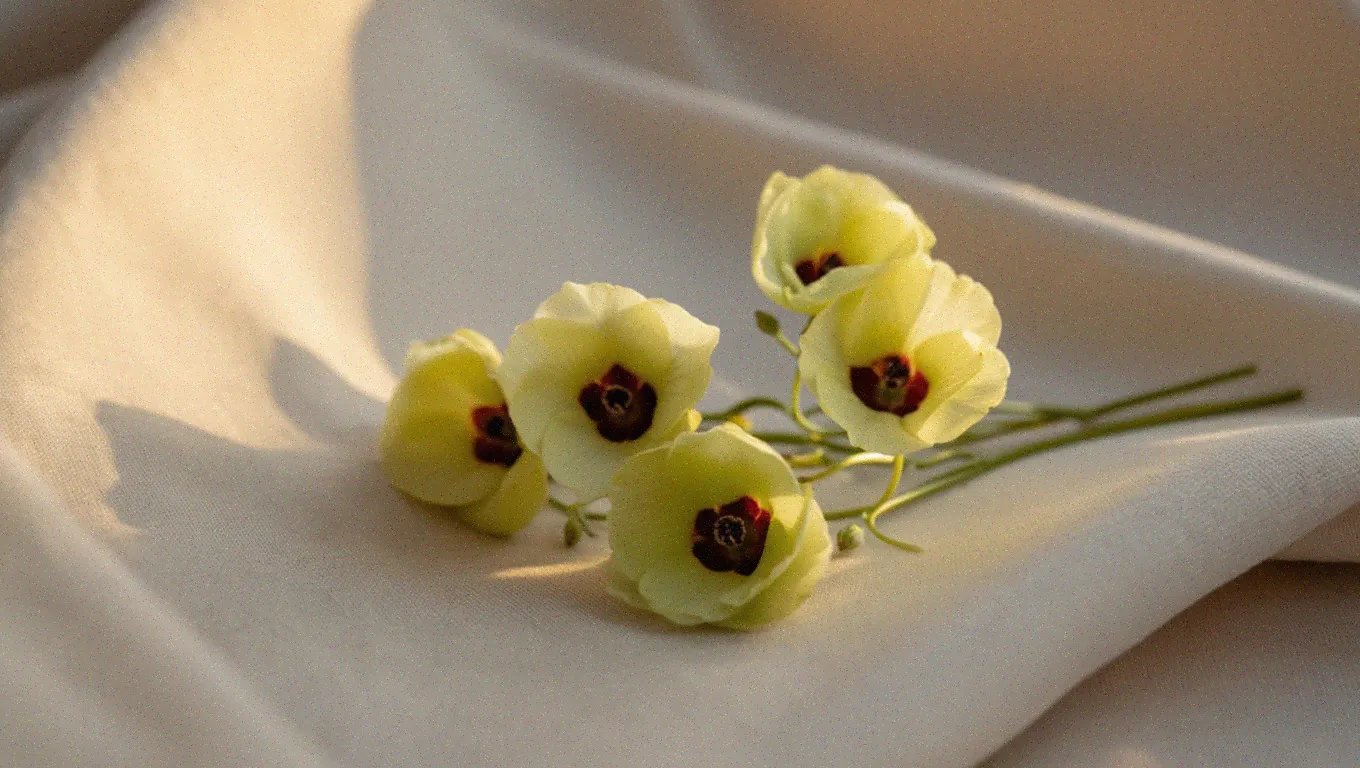
Ambrettolide: The macrocyclic musk that revolutionized modern perfumery
Ambrettolide represents the macrocyclic musk industry's most successful translation of a precious natural (ambrette seed absolute) into a sustainable, IFRA-compliant synthetic. At typical usage levels of 0.5-2%, it provides the characteristic ambrette exalting effect—lifting compositions while anchoring them with tenacious warmth—at approximately one-tenth the cost of natural absolute.

The Olfactive Aura: Engineering Spatial Presence in Fragrance Composition
Explore how professional perfumers engineer olfactive aura—the luminous presence surrounding a wearer—through sophisticated understanding of molecular diffusion, vapor pressure dynamics, and strategic material selection. Discover the chemistry behind iconic aura molecules like Hedione, Iso E Super, and Ambroxan.

Liatrix absolute: the forgotten fixative behind tobacco’s golden age
Liatrix absolute delivers authentic tobacco character with 50-75% natural coumarin content, exceptional fixative properties, and multi-dimensional scent bridging gourmand sweetness and masculine hay-leather sophistication for fougères, tobacco orientals, and leather accords.