IFRA Restrictions for Cade Oil: Definitive Usage Guidelines
IFRA Standard 119 establishes specification-based restrictions for cade oil, prohibiting crude pyrolysis-derived oil while allowing rectified cade oil at 0.5% maximum in fine fragrances. Industry consensus focuses on PAH compliance rather than concentration limits.

Citronellol Usage Patterns in Professional Perfumery
Industry analysis validates 5% citronellol usage for magnolia-herbal accords, providing optimal fresh floral character without heavy waxy notes. Professional formulation data shows citronellol ranging from 0.8% in fresh florals to 35% in rose reconstructions.
Technical Guide to Tobacco Accords in Perfumery
Comprehensive technical guide covering tobacco accord construction from natural absolutes to synthetic aromachemicals. Includes complete formulation examples, dilution ratios, layering methodology, and IFRA compliance guidelines for creating both traditional and modern floral-powdery tobacco profiles.

Calypsone Replacement Strategies for Masculine Fougère
Calypsone remains available through Givaudan in 2025, but replacement strategies offer valuable alternatives. Cascalone emerges as the most sophisticated substitute, while Calone 1951 provides maximum impact. This guide examines synthetic and natural alternatives for modern masculine fougère compositions.

Thyme White’s Phenolic Power in Woody Fragrances
White thyme oil delivers powerful phenolic-herbaceous character in woody fragrances at 0.20-10.53% concentrations, though IFRA limits it to 2.0% maximum. Cedarwood and patchouli emerge as primary partners in formulations ranging from trace complexity modifiers to major aromatic components.
Labdanum’s Sweet Balsamic Molecules: Chemical Analysis and Synthetic Alternatives
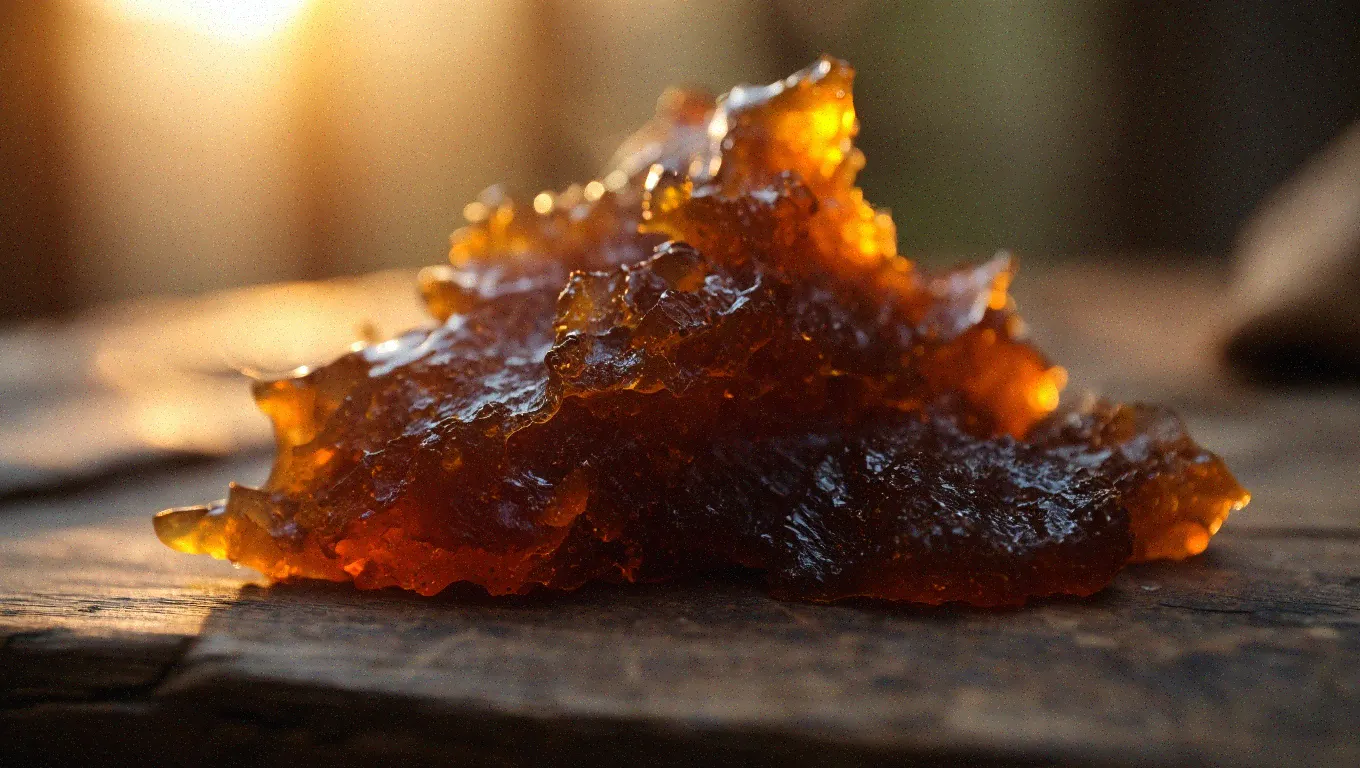
Analysis of labdanum's chemical composition reveals that vanillin compounds, sclareol, and phenolics drive its sweet balsamic character. Three synthetic molecules—benzyl benzoate, Javanol, and ethyl vanillin with benzoin Siam—can enhance this sweetness while minimizing animalic notes.
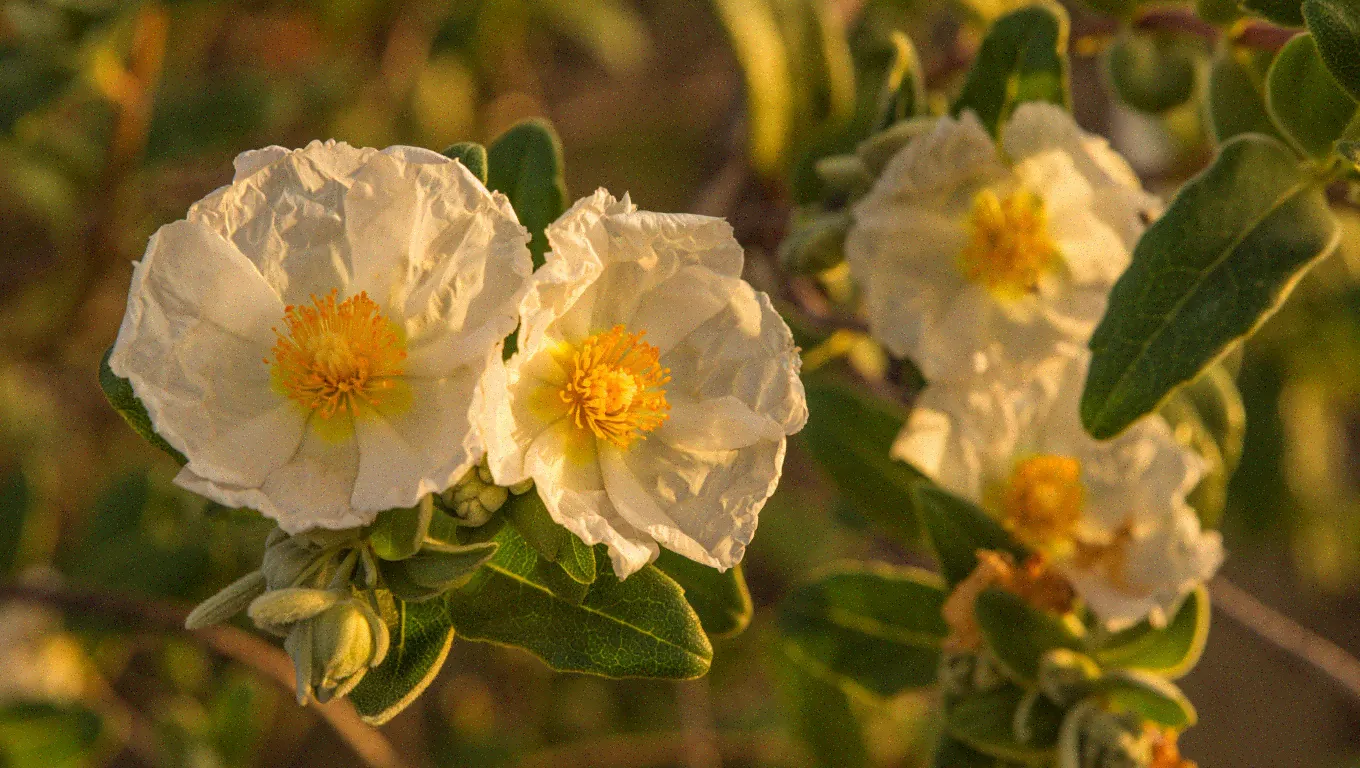
Labdanum Replacer Accord: Complete Formulation Guide
Professional guide to creating a 9-ingredient labdanum replacer accord that achieves 85-90% similarity to natural labdanum absolute. Learn precise formulation ratios, IFRA compliance requirements, and safety protocols for recreating labdanum's amber warmth, balsamic sweetness, animalic depth, and resinous character in luxury leather fragrances.
Mayol Usage Analysis – Fragrance Formulation Data
How to optimize Mayol in iris and floral fragrances: usage distributions, role benchmarks, industry examples, and recommendations.