
Decoding Modern Molecules and the Spatial Revolution in Fine Fragrance
An in-depth exploration of 21st-century fragrance molecules that revolutionize modern perfumery through spatial diffusion, transparency, and sustainability. This comprehensive analysis examines captive molecules like Paradisone, Amber Xtreme, and biotech innovations that achieve monumental sillage while maintaining the weightless aesthetic defining contemporary fine fragrance.

The Modern Rose Accord: Molecular Architecture and Olfactive Artistry
Modern rose accord construction combines traditional alcohols (citronellol, geraniol, PEA) with powerful trace molecules like β-damascenone and rose oxide. This comprehensive analysis explores how contemporary perfumers layer damascones for fruity transparency, rose oxide for metallic sparkle, and galaxolide for skin-scent intimacy, creating rose interpretations impossible in pre-1960s perfumery.

Tar Oil to Synthetic Leather Materials: Quantified Replacement Ratios
Comprehensive analysis establishing quantitative replacement ratios between natural tar oils and synthetic leather fragrance materials. Research reveals ratios of 1:10 to 1:20, with synthetics requiring only 5-20% of original tar oil concentrations for equivalent olfactory impact.
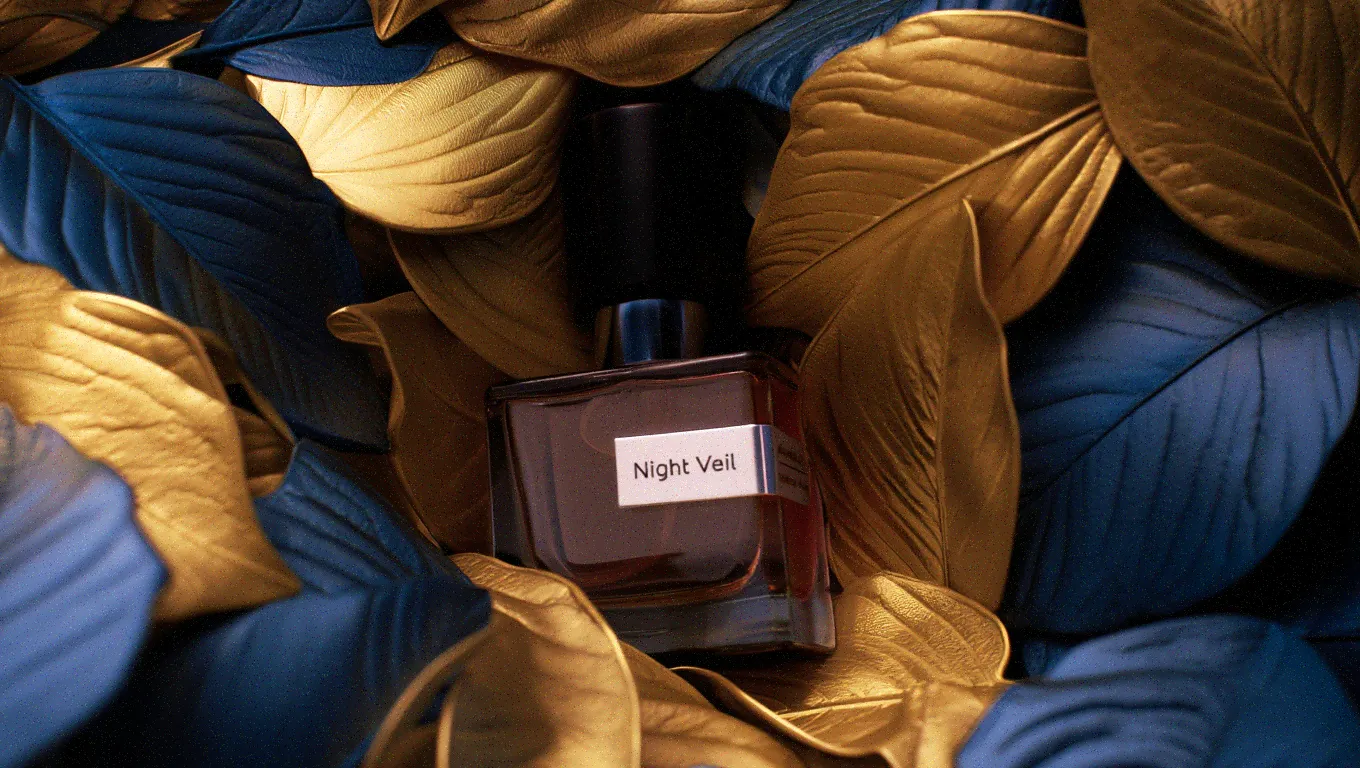
The Alchemy of Scarcity: Defining Elite Materials in Niche Perfumery
An in-depth exploration of the world's most expensive and rare perfumery materials, examining the economic, ecological, and ethical factors that define elite ingredients from wild oud and aged attars to challenging floral absolutes.

The Architecture of Scent: Conceptual Perfumery in Niche Fragrance Creation
Conceptual perfumery transforms fragrance into artistic statement through deliberate frameworks translating ideas, emotions, and narratives into olfactory experience. This comprehensive analysis explores how niche perfumers use concepts as creative compass, examining theoretical foundations, practical methodologies, and structural architectures from Jean Carles' systematic approach to contemporary neuroscience-based molecular targeting.

The Architectonics of Non-Sweet Resinous Wood: A Study in Structural Tenacity
A comprehensive analysis of non-sweet resinous woods in perfumery, exploring the chemical and olfactive distinctions between dry, terpenic resins and sweet balsamic materials.
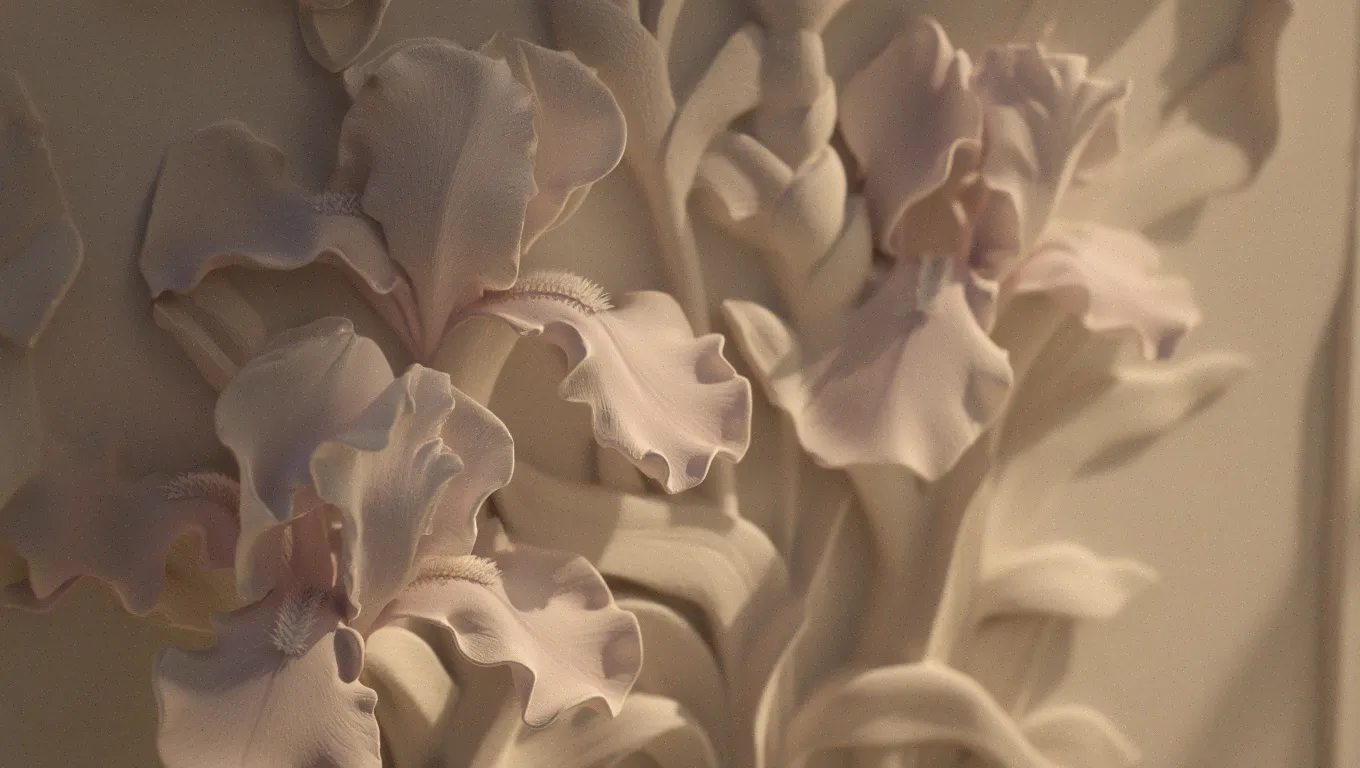
The Sensory Architecture of Scent: Decoding Olfactory Texture
An in-depth exploration of olfactory texture in perfumery—how molecular weight, volatility, and raw material selection create tactile sensory experiences from powdery softness to metallic sharpness, fundamentally shaping fragrance performance and emotional impact.

The Verdant Suede Accord: Compositional Analysis and Formulation of a Powdery Green Fragrance
A comprehensive technical analysis of powdery green fragrance formulation, detailing the structural balance between sharp vegetal notes and soft powder compounds. The Verdant Suede Accord demonstrates precise micro-dosing of high-impact green materials while leveraging 65% sheer foundation components for modern diffusion and elegance.

The Architecture of Scent: Olfactive Design in Modern Perfumery
Modern perfumery has evolved from luxury accessory to sophisticated design discipline where molecular innovation serves aesthetic, functional, and cultural goals through transparent roses, calm oud, and skin scents.

Molecular Mechanisms of Perfume Fixatives: A Physical Chemistry Perspective
Crystalline and macrocyclic musk fixatives function through overlapping physical and thermodynamic mechanisms including hydrogen bonding, vapor pressure depression, and host-guest chemistry. Vapor pressures range from 0.00025 to 0.066 Pa—orders of magnitude lower than typical fragrance volatiles.